InterContinental Hotel Osaka — Stay Report
Date: 2020-01-25
A Modern Icon Above Osaka Station
InterContinental Osaka opened in June 2013 as part of the Grand Front Osaka development — a cluster of high-rise towers built directly beside Osaka Station, one of the busiest transport hubs in western Japan.
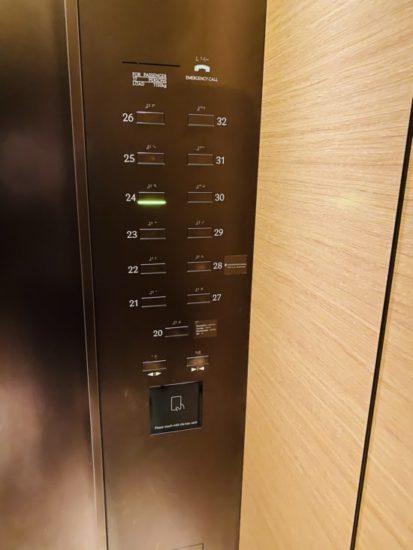
The hotel occupies Tower C of the Grand Front complex. The towers are labelled A, B, and C from the station outward; Tower C is the furthest, approximately 5 minutes on foot from the station entrance. The ground floor holds the entrance and lobby reception; a dedicated elevator rises to the 20th floor for check-in. Guest rooms occupy floors 21–28 (215 rooms); floors 29–32 hold serviced residences for long-term guests (57 apartments, from one to three bedrooms).

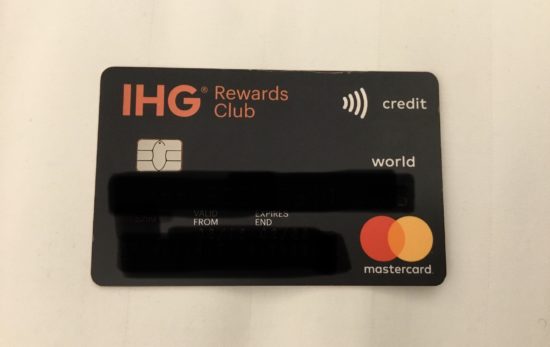
We stayed using IHG loyalty points, accumulated through an IHG Mastercard that costs £80/year to maintain Gold member status — worth it for properties like this one.
The Entrance
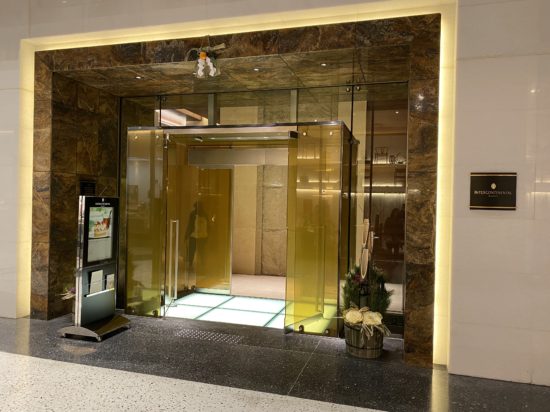
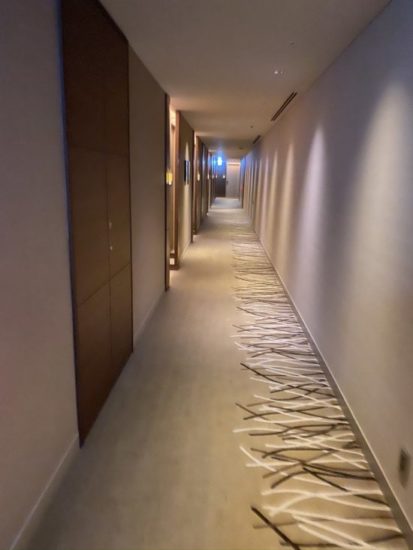
The ground-floor entrance is designed as a "path of light" — architectural illumination creating a directional sense of movement — with Japanese design elements woven into the contemporary aesthetic. Also on the ground floor: a tea room displaying beautiful cakes, and a florist. An unusually pleasant hotel entrance.

The Lobby (20th Floor)
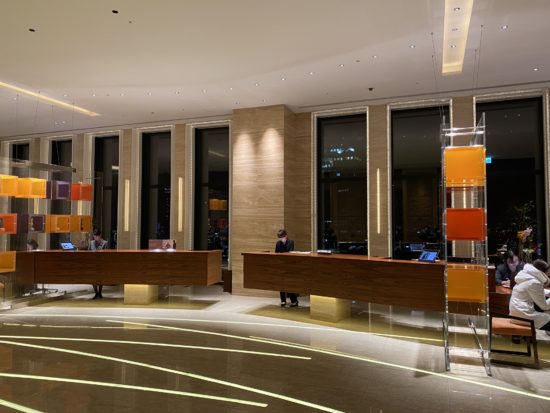
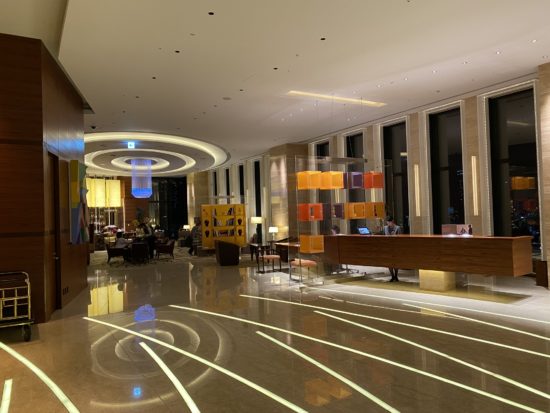
The elevator doors open directly onto the reception area. The floor is marble with light effects — a spacious, clean, dramatically modern space. Nothing here suggests the corporate internationalism of a typical business hotel; this is a design hotel wearing a luxury hotel brand.

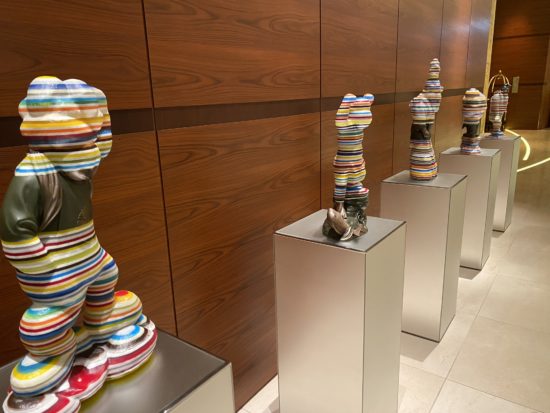
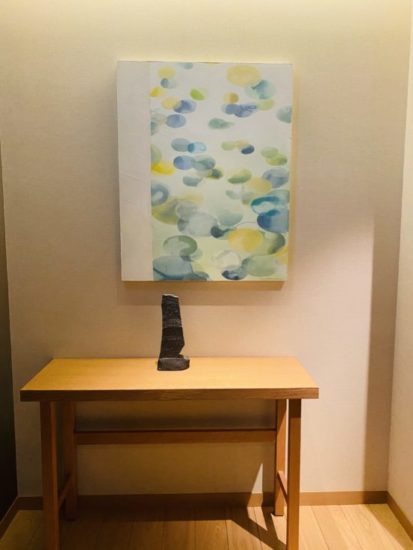
Art is placed throughout the lobby. Among the most striking: a Seven Lucky Gods (Shichifukujin) ceramic sculpture by artist Kyotaro Hakatada — playful, Japanese, and entirely unexpected in a 5-star international hotel context. The right note.
Arrival and Check-In
Staff efficiency here went beyond the routine. When we arrived at the ground-floor entrance and left luggage with the doorman, our details had been communicated to the 20th-floor desk by the time the elevator arrived. Check-in was essentially complete on arrival.

Without being asked, the concierge offered: "If you need to reach the airport bus stop tomorrow morning, we can arrange a car." We confirmed this would be helpful. A vehicle was booked within the minute. That one exchange eliminated all our logistics anxiety for the following morning.


The Room: 24th Floor Deluxe Twin (50 sqm)
The room is large — 50 sqm — and the hotel guarantees this as the minimum size for all rooms. This is a commitment not many hotels make.
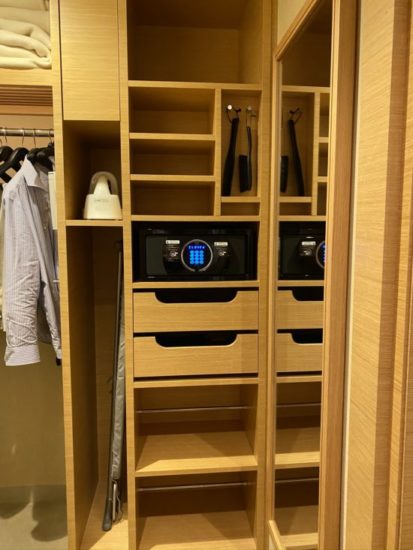
Closet: A separate small room, not a wardrobe. Bathrobe, slippers, iron, extra blanket and pillow, safe, and a dedicated shoe stool for putting on and removing shoes.


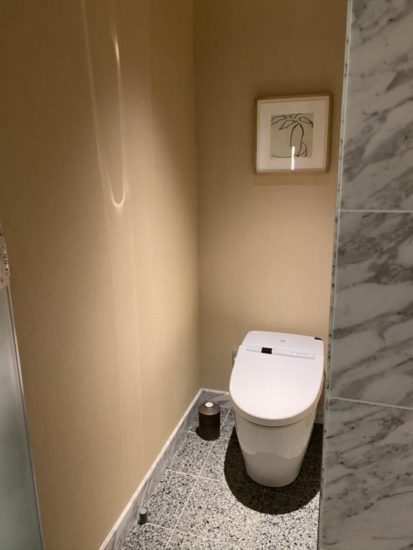
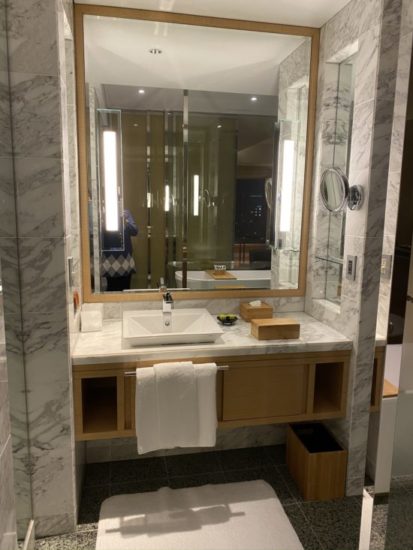
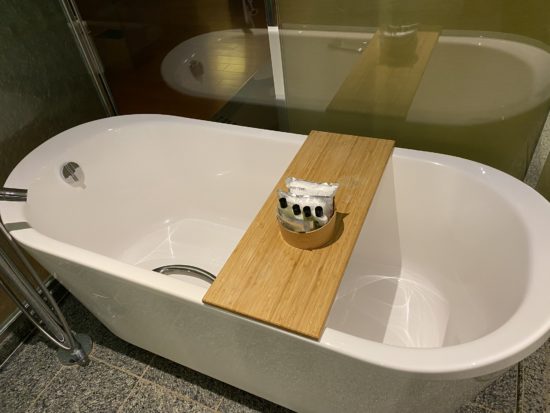
Bathroom: Glass wall to the bedroom — an open, visually expansive design. A frosted glass door provides a private toilet cubicle within the bathroom. Twin basins. Deep bathtub — shoulders fully submerged, the Japanese standard for a proper bath. Plus an overhead rainfall shower in addition to the standard handset. Bath salts provided: sandalwood and bamboo — Japanese imagery rather than the European florals that appear in most luxury hotels.

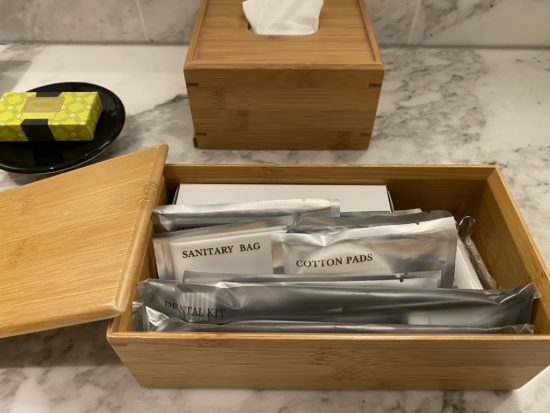
Amenities: Agraria Lemon Verbena — an American luxury fragrance brand, clean and herbal. Presented in Japanese wooden joinery boxes — handmade in the traditional style of Japanese interlocking woodwork, used here as amenity cases. A distinctive detail.
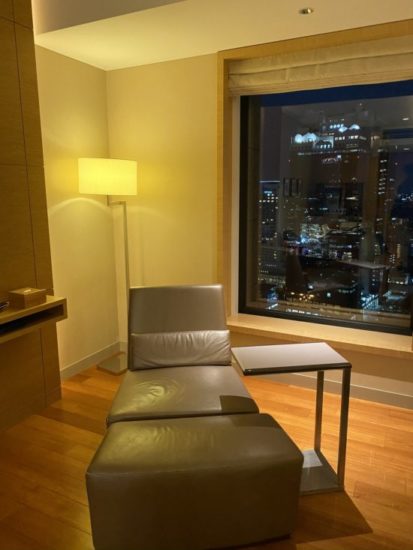

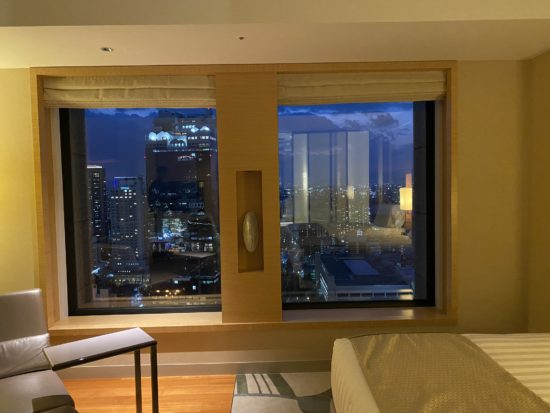
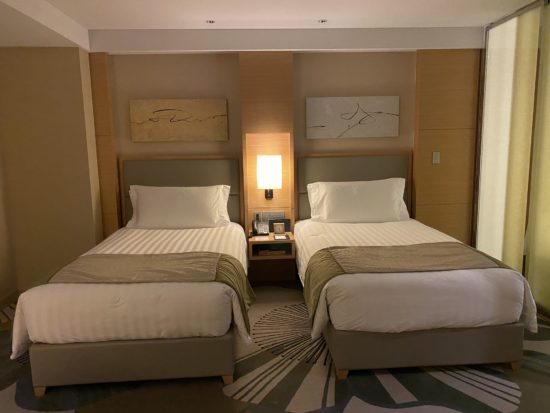
Bedroom: Twin beds (configured as requested). An armchair with ottoman at the window — functional for reading or watching the view. The desk is remarkable: a rock slab with a glass panel resting on it, the glass serving as the work surface. A piece of furniture that is also an art object.
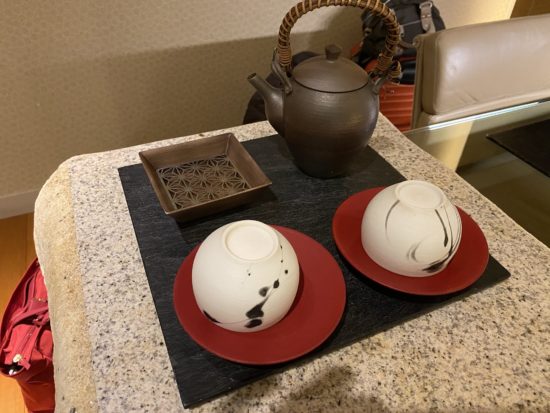
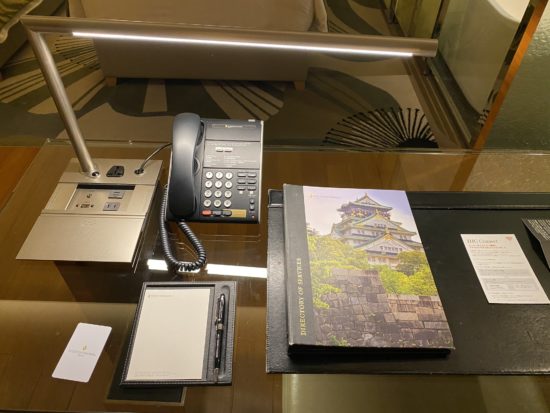
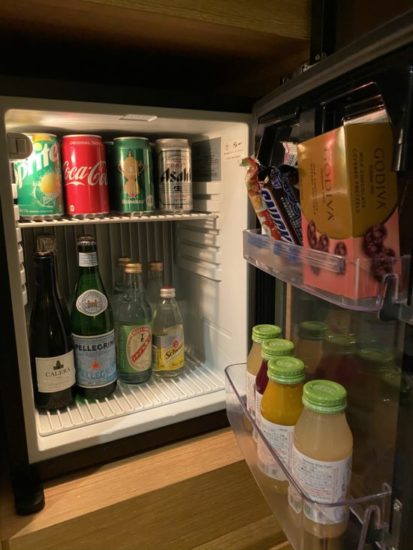
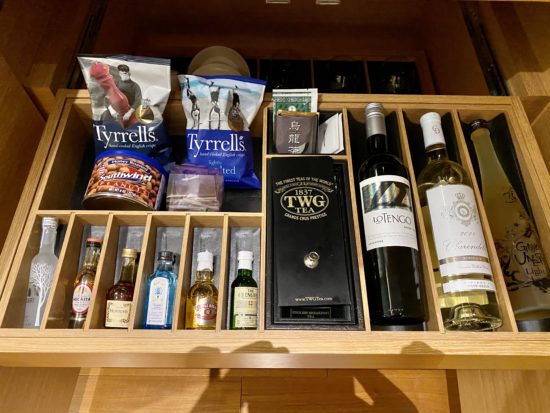
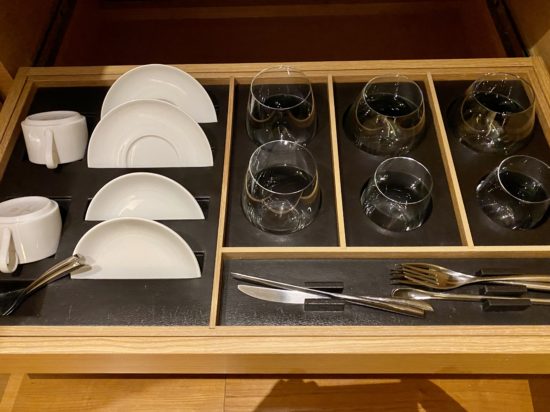
A traditional Japanese teapot (kyusu) and tea bowl set on a tray beside the bed. Nespresso machine, kettle, two still waters. Mini-bar with teas, spirits, and snacks in the drawer below.


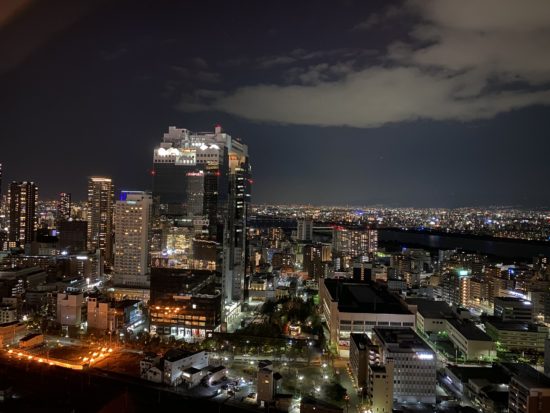
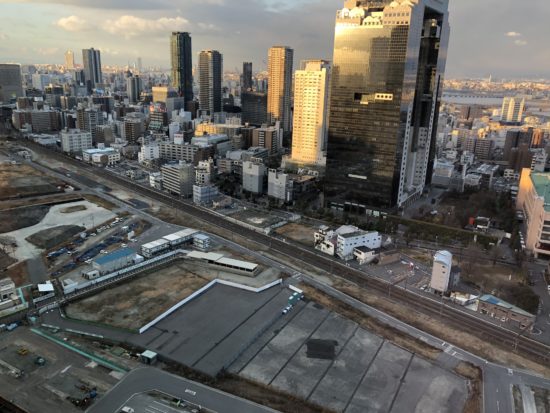
View: The Yodo River is visible from this side of the building, with central Osaka stretching beyond. The night skyline is genuinely beautiful.
Glass wall (bedroom/bathroom): A privacy screen door allows the glass wall to be covered when desired. The architectural openness of the layout — bathroom visible from the bed — is striking by day; the screen option makes it practical at night.
IHG Platinum Welcome: Complimentary Drinks
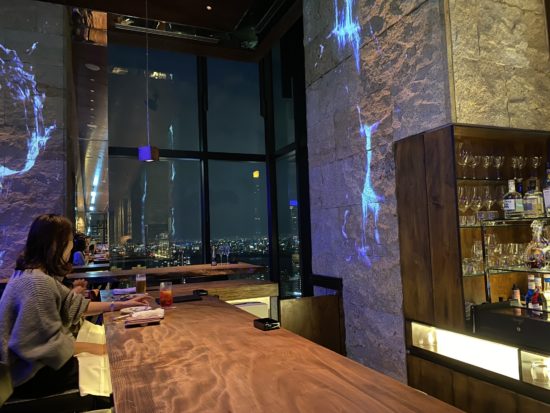
Before dinner, we visited the hotel bar on the 20th floor: edee bar. The entrance is defined by a wine cellar running floor to ceiling on both sides of the doorway. Immediately adjacent: Pierre, a Michelin 1-star French restaurant.


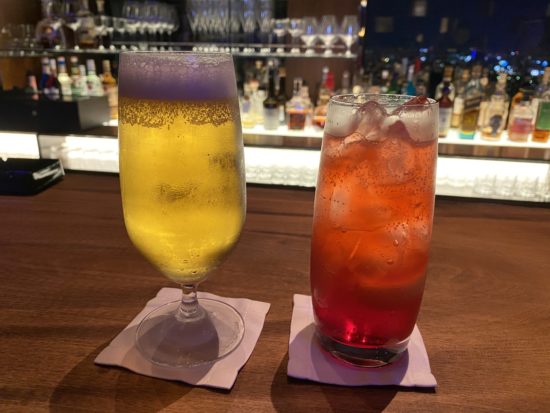
Two complimentary drinks, courtesy of Platinum member status. Osaka's city lights at night, viewed through floor-to-ceiling windows, while receiving complimentary cocktails. One of the more pleasant hotel moments of the trip.


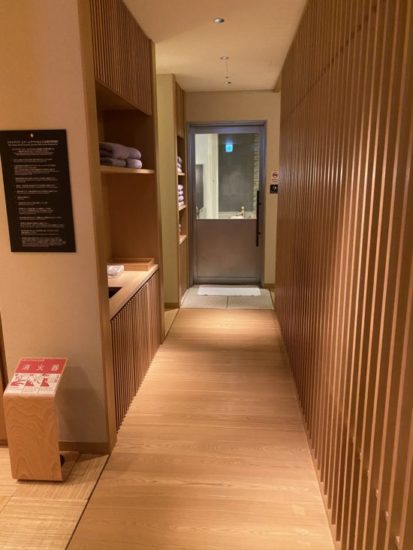
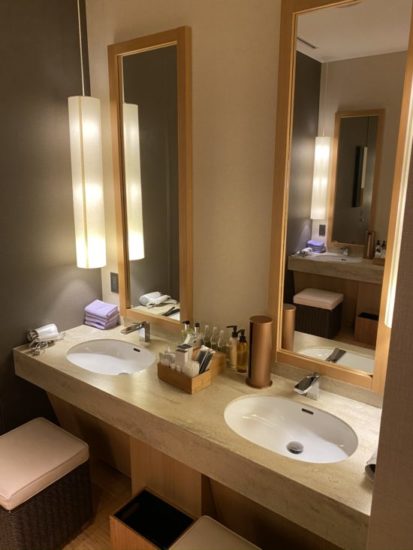
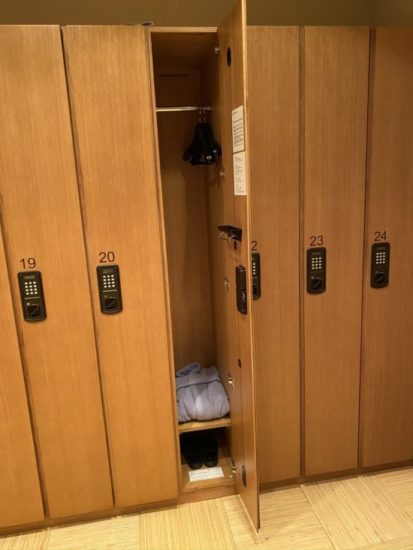
Spa, Pool, and Communal Bath (4th Floor)
Open to all guests from 7:00am. We arrived early, before other guests — the entire facility was ours for the morning.
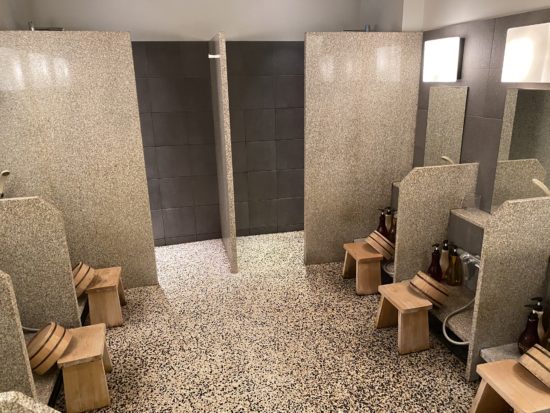
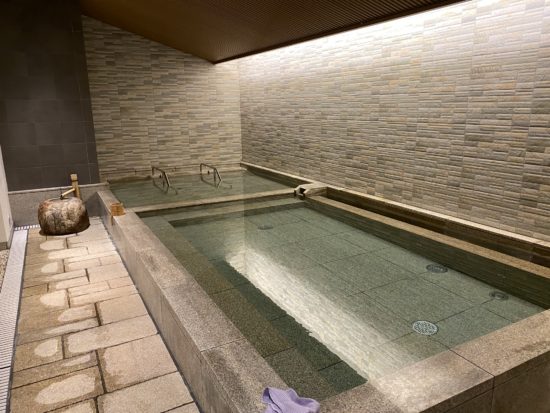
Large communal bath (onsen style): Shared bathing in the Japanese tradition — fully separate facilities for men and women. Towels, amenities, and bathrobes provided in the changing rooms.
Sauna: Dry and steam options both available.

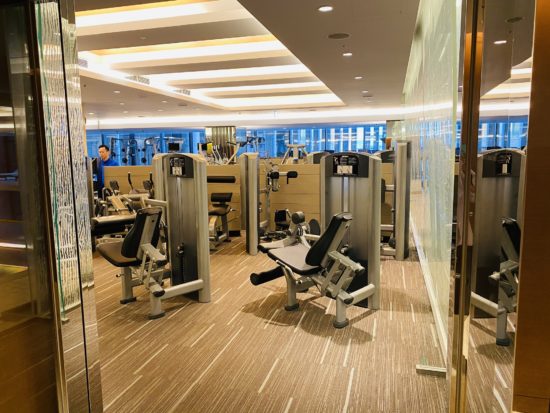
Pool and gym: Full-length pool, well-equipped gym. Neither large, but more than adequate for a hotel setting.
Departure: The Range Rover
The previous evening's offer materialised precisely. In the morning, a bellboy arrived at the room, collected all our luggage, and transported us to the airport limousine bus stop — in a Range Rover. Heavy bags, no walking, no taxi cost. This is the service detail that turns a single night into a hotel you remember.

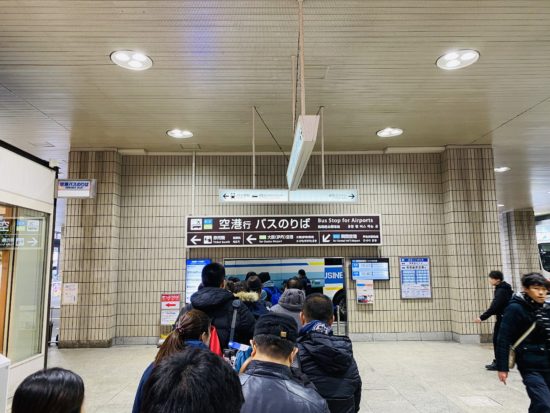
Airport bus from Shin Hankyu Hotel stop (2 minutes from hotel):
- Kansai International Airport (KIX): ¥1,600 per person, approximately 50 minutes
- Itami (Osaka) Airport: shorter journey, lower fare
- No advance booking — purchase tickets from the machine on the day
- Luggage checked by attendant at the stop; numbered tags given for reclaim
- 3 buses/hour; the stop is the last one on the route, so buses arrive already occupied
- At busy times, the next bus may be necessary — allow extra time
Rating: 10 out of 10
InterContinental Osaka represents what a modern luxury hotel can achieve when the design, the service training, and the attention to Japanese hospitality values are all operating together. The international staff (drawn from hotels worldwide, all fluent in Japanese) bring a global perspective; the Japanese framework gives the experience a warmth and precision that the purely international hotel brands lack.


The design in particular — the rock desk, the wooden amenity boxes, the Seven Lucky Gods sculpture in the lobby — shows a hotel that thought carefully about where it is, not just what category it belongs to. Particularly suited to travelers who appreciate design alongside comfort.
We didn't manage to eat at the Michelin restaurant on this visit. A reason to return.
Other books you might like
You're welcome to take a look.
EAST TO WEST: The Heart of Haiku, the Light of Scripture
Young staff moving from place to place, gathering experience along the way — the kind of quiet journey this collection traces through haiku. This was my father-in-law's final work.
View on AmazonCataract Surgery-A Memoir: Double cataract surgery in Osaka, Japan
Another new experience at 66 — an honest account of the cataract surgery I went through.
View on AmazonSushi Business in Britain: the complete four-volume series
A novel series following thirty-five years in the British sushi trade, from apprentice to factory manager to a small sushi school.
View on Amazon