Delicious Food in Japan: Kyoto Food Walk Diary
Date: 2018-06-26
We spent two days in Kyoto on 17th and 18th June. Kyoto had so many coffee shops! There were also countless independently run shops with their own unique ideas and style, which made for a thoroughly enjoyable time. Kyoto, where ancient history and contemporary art coexist so beautifully, is a city we want to visit again and again.
Exploring the Tanoji District, Central Kyoto
The centre of Kyoto city is laid out in a grid pattern running north, south, east and west. The Tanoji district refers to the very heart of this grid. Bounded to the north by Oike-dori, to the south by Gojo-dori, to the west by Horikawa-dori, and to the east by Kawaramachi-dori, the name "Tanoji" (meaning "rice-paddy grid") comes from the shape these roads create when drawn together. This area is said to have the highest real estate values in the city. Today we decided to explore this part of town.
Inoda Coffee Main Branch
Founded in 1940.
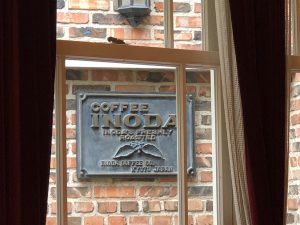
We arrived at 8am in search of the famous "Kyoto Morning Breakfast" — an enormously popular menu that many people cancel their hotel breakfast for.


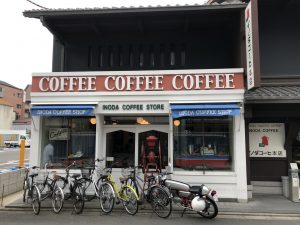
The view from the entrance. Just 15 minutes after opening, and already packed with people.


Inoda Coffee's original blend: Arabia no Shinju (Pearl of Arabia). When you order, the waiter asks: "Shall I add sugar and milk to your coffee?" You won't find many places anywhere in the world that serve coffee with sugar and milk already added. Yet this reflects the very Kyoto-like dedication the proprietor has to their product. As a customer, you naturally want to control the amount yourself, but from the maker's perspective, they want you to taste their creation at its finest. I understood completely — they know their product best, and don't want to compromise on their art. So even though I usually drink coffee without sugar or milk, I decided to follow Inoda's way.
With sugar and cream already added, the taste is pleasantly mild and just right in sweetness. For those who prefer it sweeter, a tiny specially-sized sugar cube (no bigger than a fingernail) comes on the side — you could add it halfway through the cup. The original blend is named "Pearl of Arabia" and can also be purchased at the shop's entrance counter.
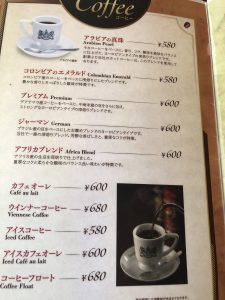
The morning breakfast set (1,050 yen) comes with a cup of the Arabia no Shinju blend.

The coffee has a fresh, pleasant acidity that doesn't linger on the tongue, with a lovely aroma that floats through the nose — it's light enough that you find yourself wanting a refill. The breakfast plate features scrambled eggs that are rich and creamy, with a deep egg-yolk colour. The ham, lightly fragrant with a hint of smoke, is delicious! All the ingredients in this set are sourced from Kyoto.
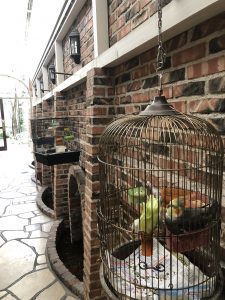
The famous three parakeets.


Nishiki Market Before Opening
At 9am, we walked through Nishiki Market before it opened. Almost all the shops were still closed.
A Stop at Komeda Coffee
It was humid under the rainy season sky, so we stopped in at Komeda Coffee — a chain originally from Nagoya — for their famous Ogura Sand and an iced coffee. The Ogura Sand, a Nagoya speciality, consists of thick-sliced white bread filled with red bean paste and cream.
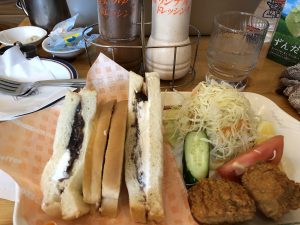
Founded in Nagoya in 1968, the chain is now expanding nationwide.
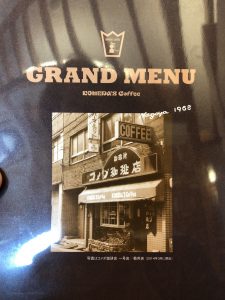
A Walk Along the Kamo River
With full stomachs, we strolled along the banks of the Kamo River. The humidity was high today but the breeze along the riverside felt refreshing on our faces, even under the cloudy rainy season sky.
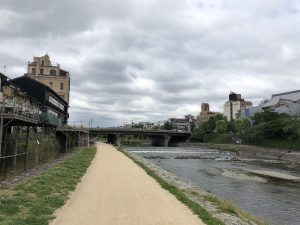
A great white egret stood motionless in the current. Why do egrets stand so still in the middle of the flowing river?


Kyoto-Style Udon at "Uneno"
For lunch, we had Kyoto-style udon at Uneno, a restaurant run by a specialist dashi (stock) maker. This is the home of authentic Kansai-style stock, made only from bonito and kelp.
http://odashi.com/udon/


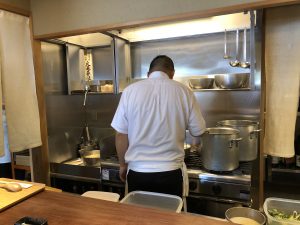
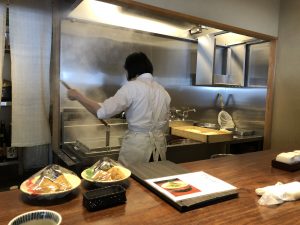
They are a specialist shop, and apparently also have an oden restaurant.
Cold udon with sakura shrimp kakiage tempura, drizzled with sauce and mixed together. 1,400 yen.

Fragrant Kyoto ichimi, shichimi, and sansho (Japanese pepper).
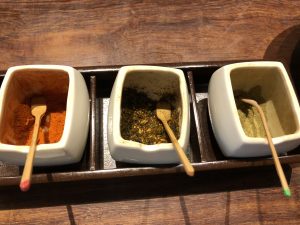
Kitsune udon with plenty of Kujo green onions. Kyoto-style kitsune udon uses chopped aburaage tofu that hasn't been simmered in sweet sauce — the udon itself is also on the softer side. 850 yen.
My wife, being from the Kansai region, was very satisfied — "Ah, that's the taste!" she said.

Today's seasonal mixed rice was Mangan-ji pepper and sweetcorn rice cooked in udon broth.


A Stop at Local Supermarket Fresco
Long, thick Kujo green onions — they make you want to cook "nuta" (leeks in vinegared miso dressing).
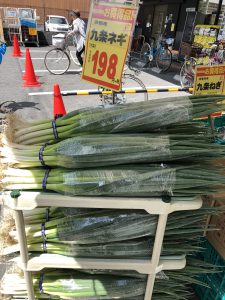
Mangan-ji peppers — a Kyoto variety used in simmered dishes.

Fresh wasabi — this one is from the foot of Mount Fuji.

A Break at Starbucks by Sanjo Bridge
The basement here is spacious with a view of the Kamo River — a great spot for a rest during a Kyoto walk. The seasonal menu item was a Kaga Hojicha Latte with hojicha jelly inside — it was delicious! The larger one on the right is the classic Matcha Cream Latte, also perfectly sweet.
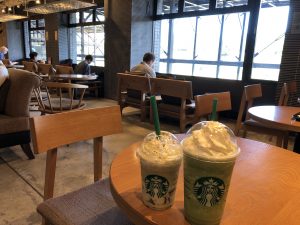
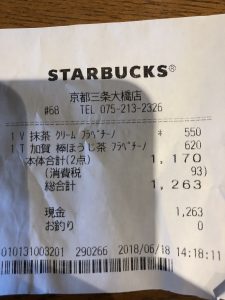
Even the largest Matcha Latte is only ¥550 — cheaper compared to Starbucks in the UK.
Takakuraya — Kyoto Pickle Shop in Nishiki Market
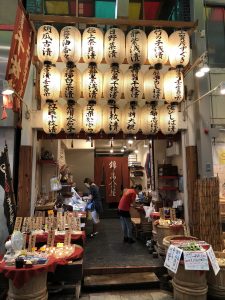
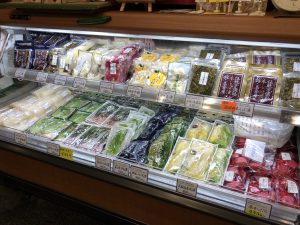
Wanting to send some Kyoto pickles to an uncle living in Matsuyama, Shikoku, we asked the shop and were told that since they use refrigerated courier (cool takkyubin), any of the pickles would be fine. We chose 5 varieties, including the classic shibazuke and seasonal green melon pickles, and were told they would arrive the next morning — even though it was already 6pm that evening. Japanese parcel delivery services are incredible!
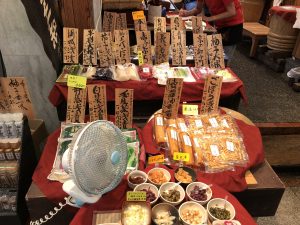
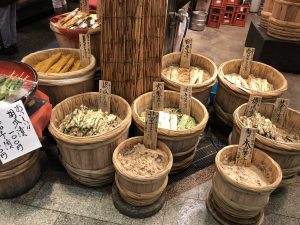
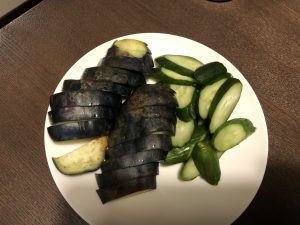
Vegetables pickled in Takakuraya's nuka (rice bran) bed, passed down over decades. We bought some cucumber and Izumi Senshu water aubergine (mizunasu) pickles — a seasonal speciality only available at this time of year.
Dinner Bento from Hishiwa
A bento from Hishiwa — something we'd always wanted to try! Hishiwa is a caterer that delivers meals to ochaya (teahouses) in Gion, located right in the heart of the district.
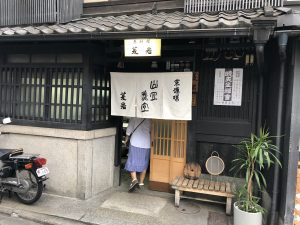
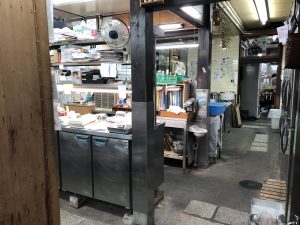
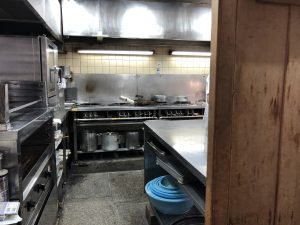
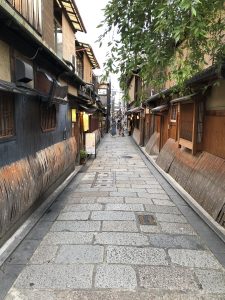
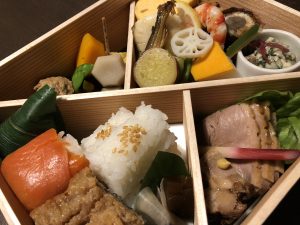
At last, the Hishiwa bento!
The smaller box is 4,500 yen, the larger is 6,500 yen, and advance reservations (by the day before) are required. You can also buy them at the Isetan department store in Kyoto Station, but we wanted to come to the main shop. Since it was the rainy season and the bento is lightly seasoned with no preservatives, you must not transport it for a long time after purchase. We were staying just a 10-minute walk away today, which is why we could buy it.


Takakuraya's cucumber and aubergine nuka pickles.
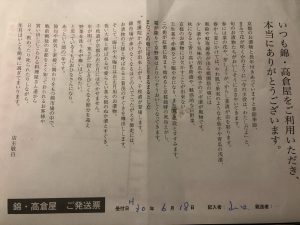
The philosophy of Takakuraya.
Every item was crafted with great care. The bento perfectly expressed the Kyoto culinary ideal of "quality stock that lets the ingredients shine, with a delicate, understated flavour." Each bite was a pleasant surprise — we were grateful to have palates sensitive enough to appreciate such subtlety. Hishiwa opened its doors in 1829 — 189 years ago. The great figures of history who visited Gion would surely have tasted Hishiwa's cooking. Savouring the same flavours that Ryoma Sakamoto and Katsu Kaishu once enjoyed, we fully appreciated the timeless wonder that is Kyoto.
(This site is a participant in the Amazon.co.jp Associates Program, an affiliate advertising program.)
Other books you might like
You're welcome to take a look.
EAST TO WEST: The Heart of Haiku, the Light of Scripture
Something old still living on today, seen through the lens of haiku. This was my father-in-law's final work.
View on AmazonCataract Surgery-A Memoir: Double cataract surgery in Osaka, Japan
Another new experience at 66, told honestly.
View on AmazonSushi Business in Britain: the complete four-volume series
A novel series following thirty-five years in the British sushi trade, from apprentice to factory manager to a small sushi school.
View on Amazon