Nordic Cruise: Arctic Circle & Fjords — 11 Nights (Part 5)
Date: 2019-10-07
Final part: Port 6 — Flåm, Sognefjord

Waking in the Fjord
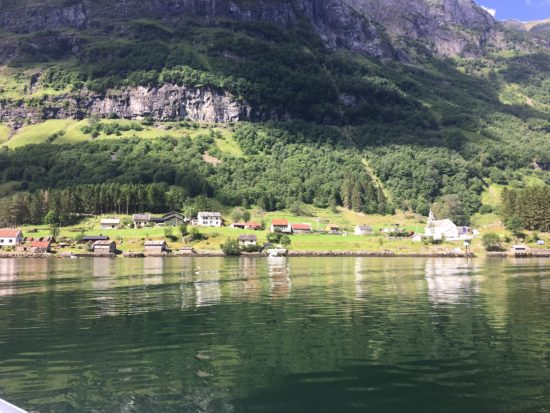
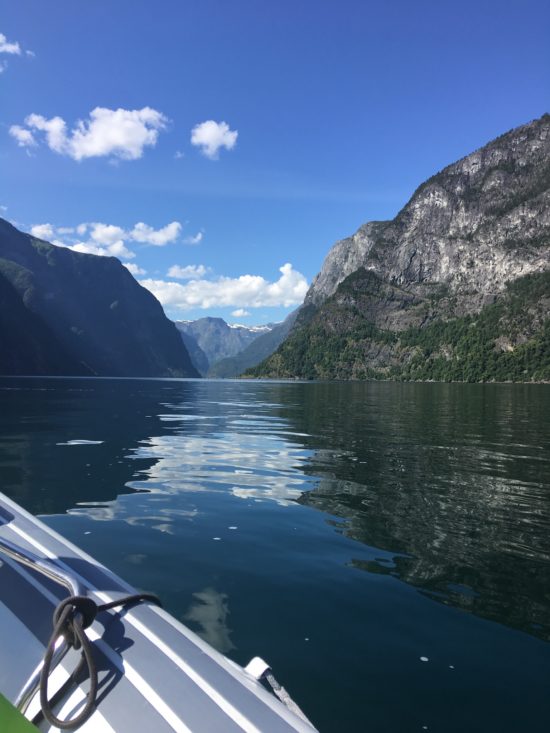
The ship entered the Sognefjord overnight from the Norwegian Sea. Waking in the morning and looking out: blue sky, the ship moving silently through emerald green water between sheer fjord walls. Completely calm. The deck above was already full of passengers staring.
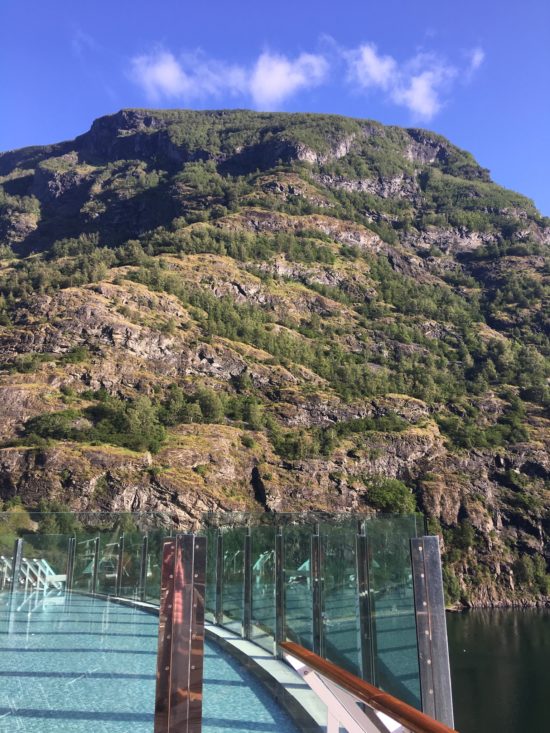

Sognefjord: The longest fjord in Norway at 204km; maximum depth 1,308m. Even at ordinary points, depth ranges from 500–600m. The water is glassy because the surrounding mountains block all wind.
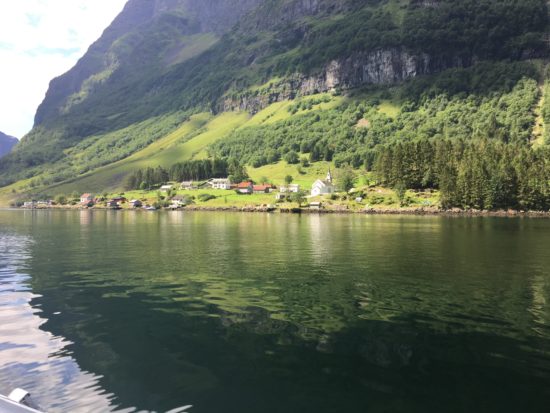
The inhabited buildings in Norway are the only human-occupied fjord communities in the world. (Fjords exist in Iceland and one or two other locations, but no one lives in them year-round.) The Gulf Stream warming the Norwegian Sea keeps the region just habitable.
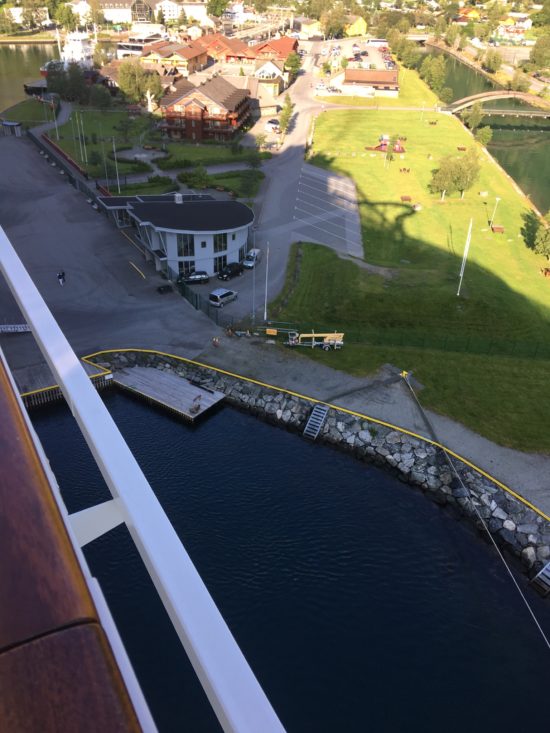
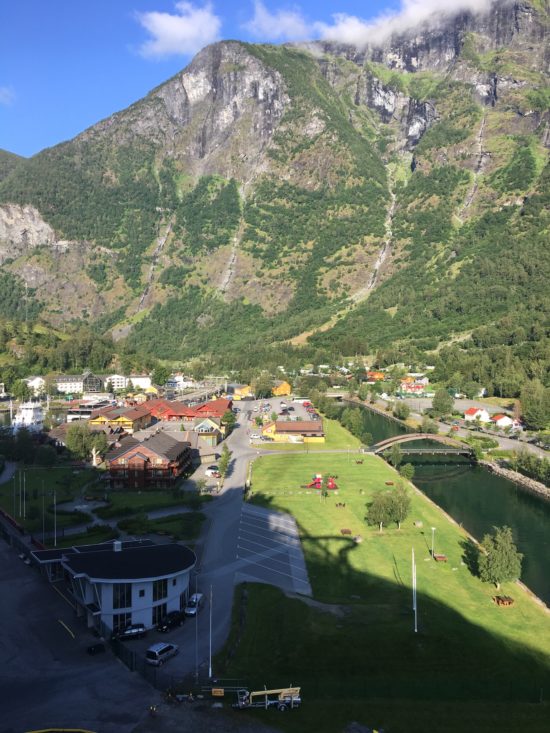
Flåm
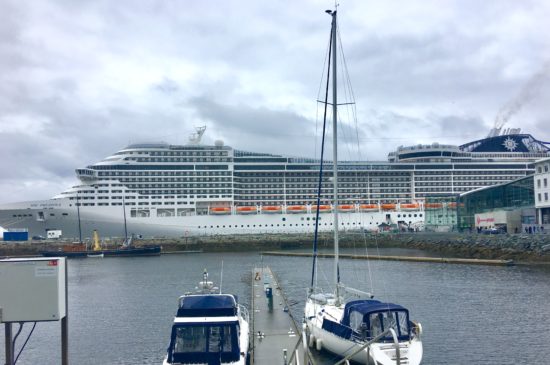
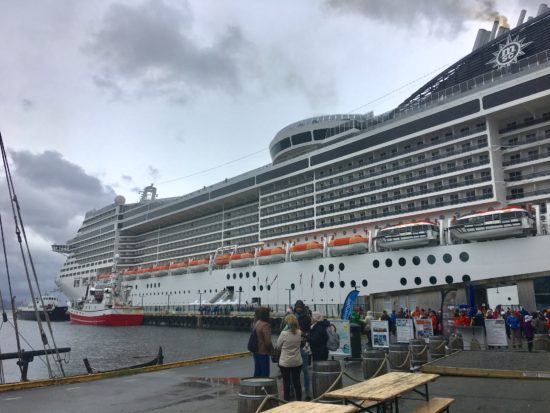
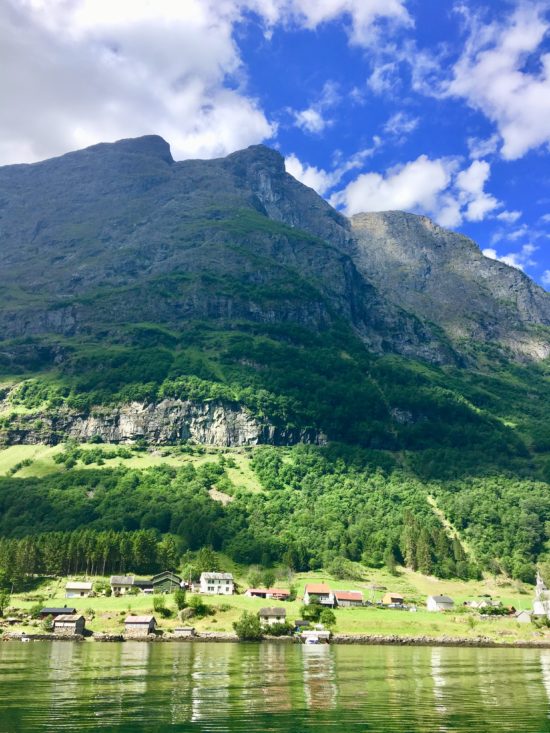
Population: 450 people. Surrounded by 1,400-metre mountains. The MSC Preziosa docked directly at the small pier — the ship and the village were side by side.
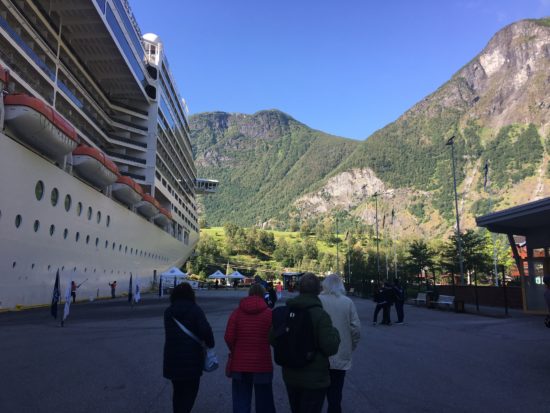
The air quality in Flåm was unlike anything we had experienced anywhere. This was, quite possibly, the purest air we had ever breathed.
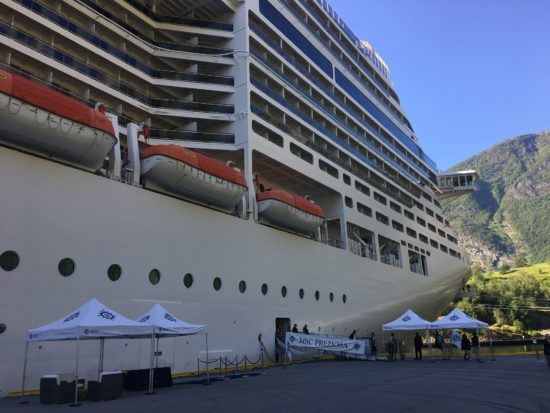
The waterfall and fjord water here are all drinkable — glacier meltwater, filtered by the rock for thousands of years.
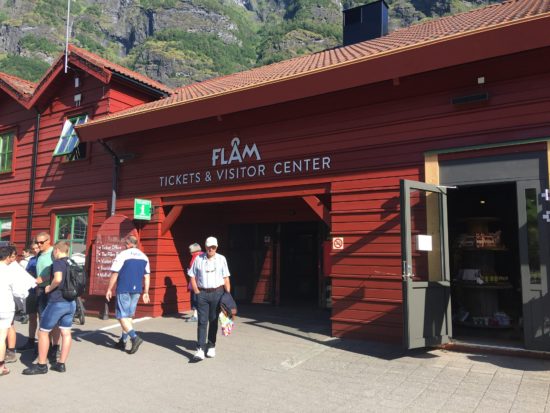
What to Do in Flåm
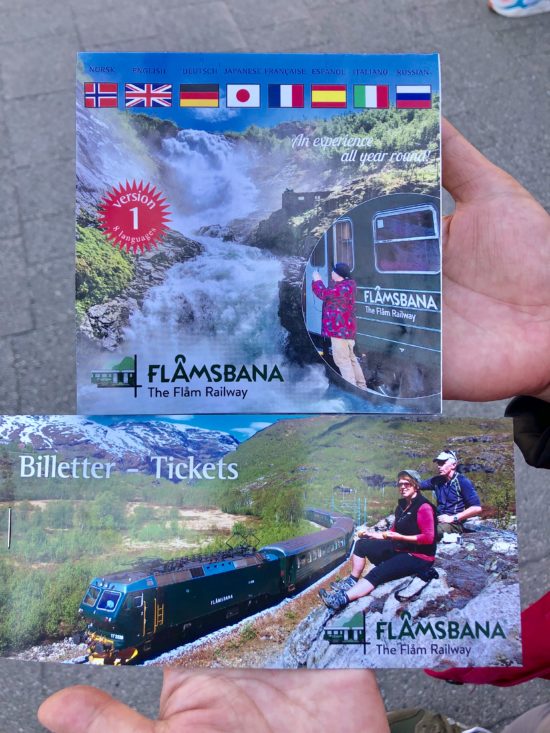
Two activities dominate the Flåm experience: the Fjord Safari speedboat tour, and the Flåm Railway.
Fjord Safari
We had originally planned to book the Flåm Railway first, but pre-cruise bookings through MSC sold out two months in advance. The Flåm Railway's own website also sold out. We pivoted to the Fjord Safari instead.
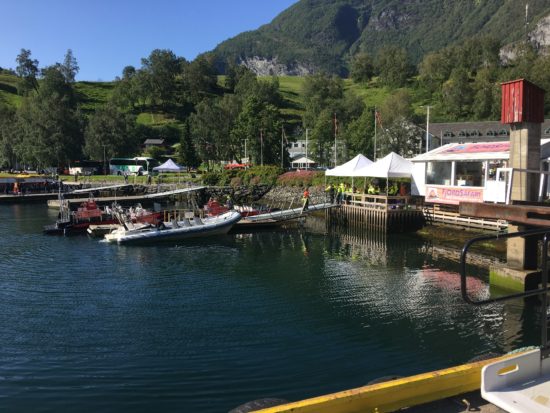
Price: 860 NOK per person (~¥9,810). 12-person zodiac-style speedboat, 2 hours 15 minutes.
Preparation: Full waterproof and windproof one-piece jumpsuit, woollen hat, and goggles (glasses wearers get over-glasses versions) provided. All luggage locked in lockers; passengers board with phones and cameras only.
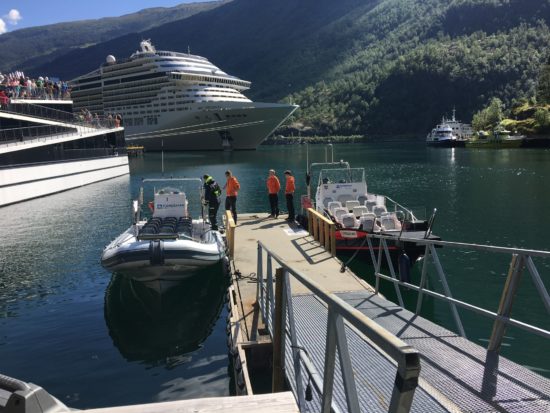
The experience: Fast. Goggles are not optional at speed. The guide — a young local Norwegian — drove S-curves through the wide fjord sections: a mild rollercoaster sensation. In narrower sections: slower passes, closer to the rock faces, stopping directly under high waterfalls. The boat is small enough to position right at the waterfall base — the scale becomes clear when you're close enough to touch the water.

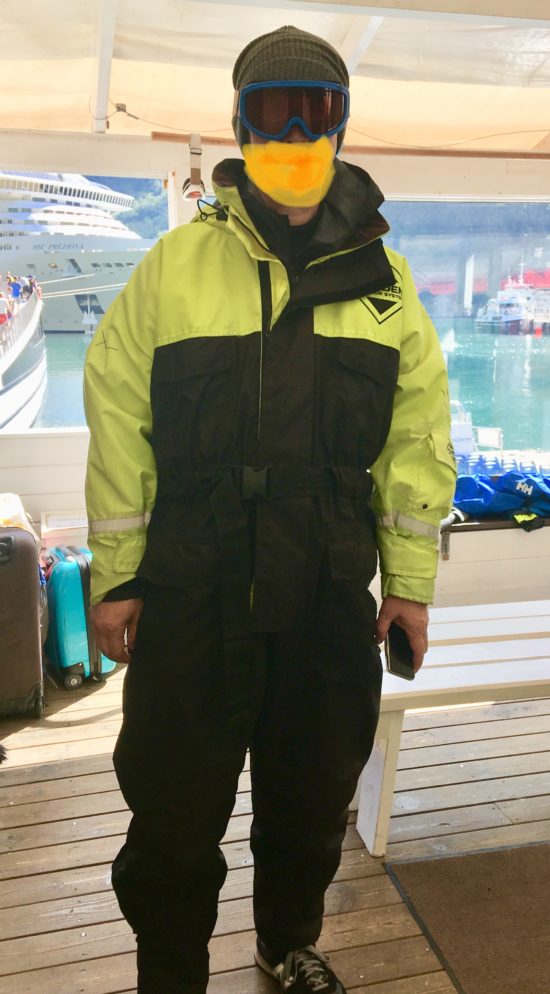
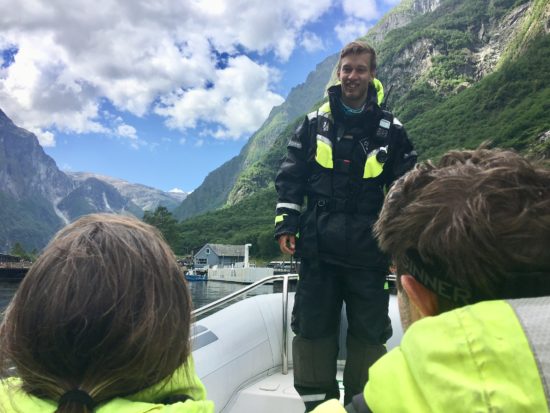
Stops at notable points: a Viking descendant community still living without electricity, gas, or water; a village of 20 people; a lone American who moved to live in a clifftop house above the fjord with goats.
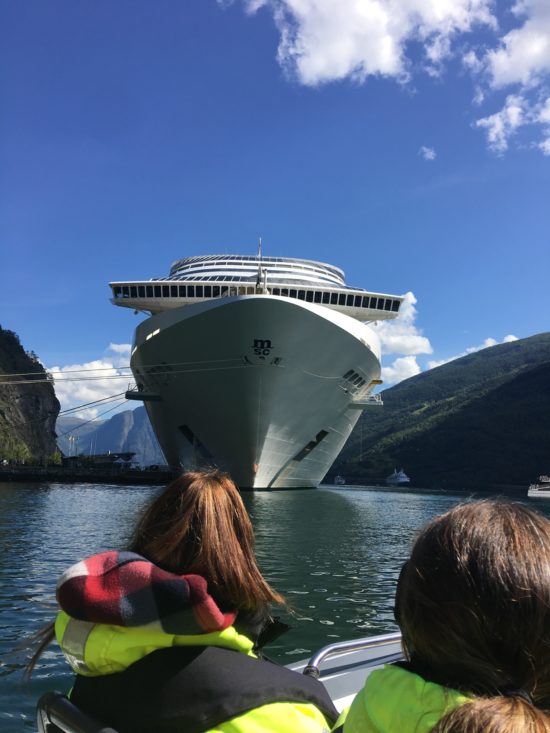
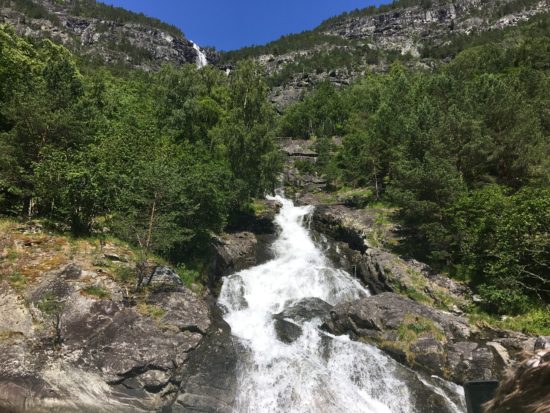
Water conditions on the fjord's surface: perfectly still. The 2 hours 15 minutes circumnavigated the inner fjord completely.
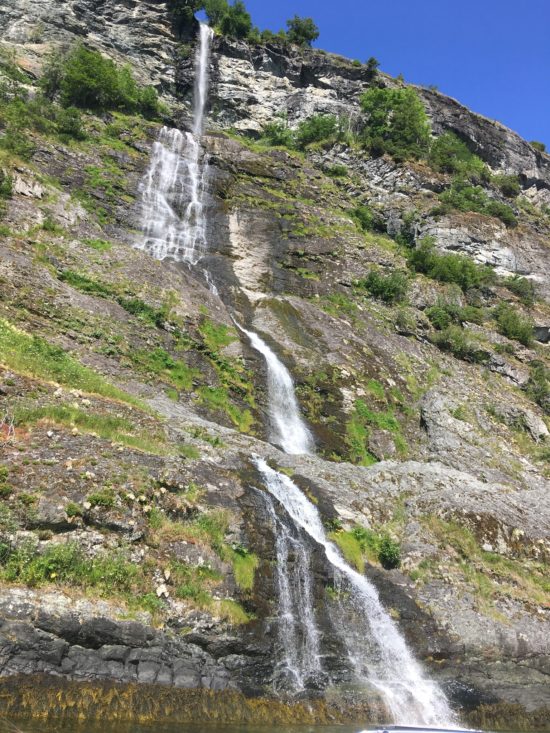
Fjord Safari is highly recommended. The large tourist ferries give a pleasant overview; the speedboat gives something entirely different.
Flåm Railway
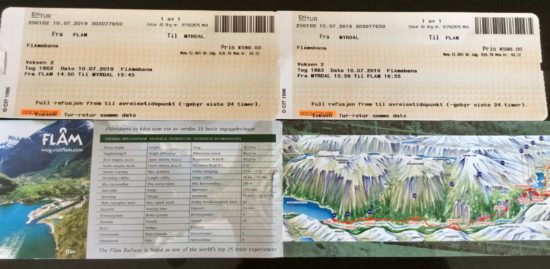
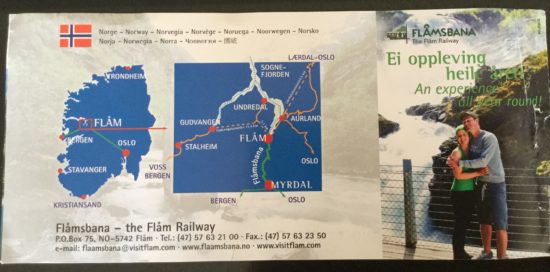
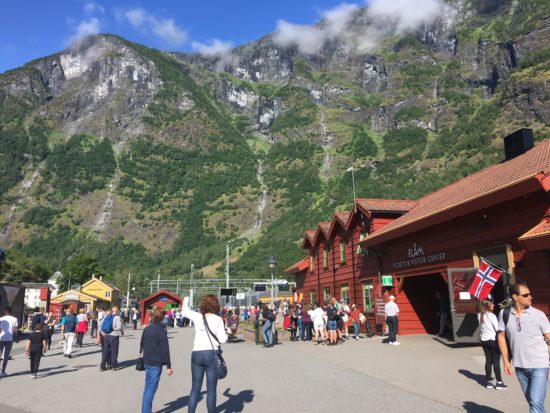
After the Fjord Safari, we returned to the ship for lunch, then walked the 250 metres back to the Flåm station. Same-day tickets were available at the ticket window — round trip for two, departing 2:50pm.

Round trip: 590 NOK per person (~¥6,750). Departure board time matters — queuing started 30 minutes early for good seats.

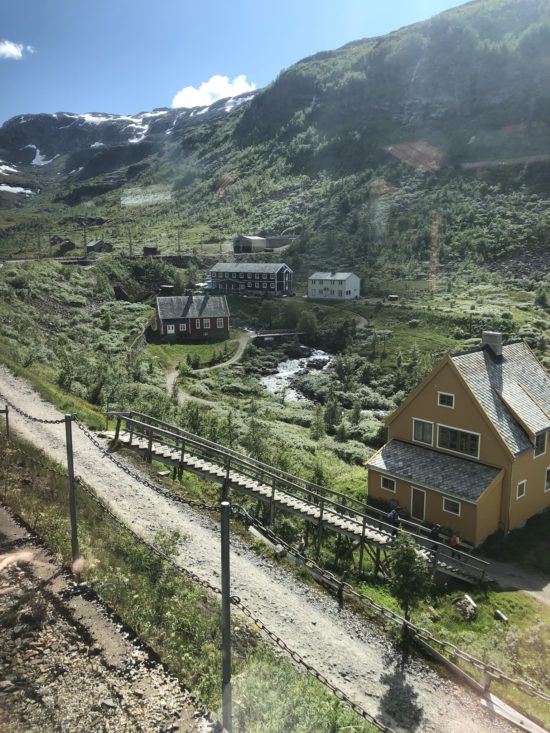
The route: 20km from Flåm to Myrdal at altitude. The train climbs through 20 tunnels (18 of which were hand-dug with hammers and axes — 1 metre per month). Total tunnel length: 6km. Built over 20 years, opened 1940. Originally steam; converted to electric in 1944. The carriage interiors are lined in classic wooden panelling.


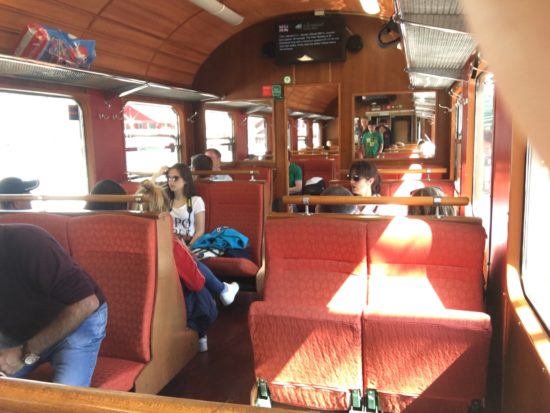
Gradient: 80% of the route runs at 55/1000 — 18cm of elevation per metre of track. The steepest gradient of any standard-gauge railway in the world.

To handle avalanche risk, the line crosses the river valley three times; in one section, a hole was bored through the cliff to let the river pass under the track rather than building a bridge.
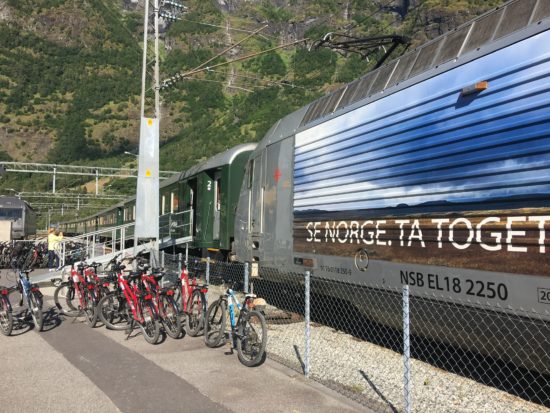
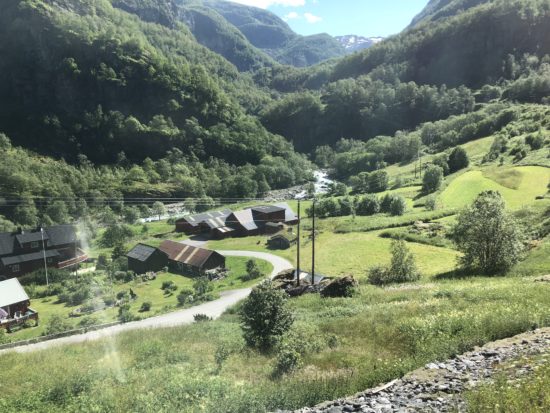
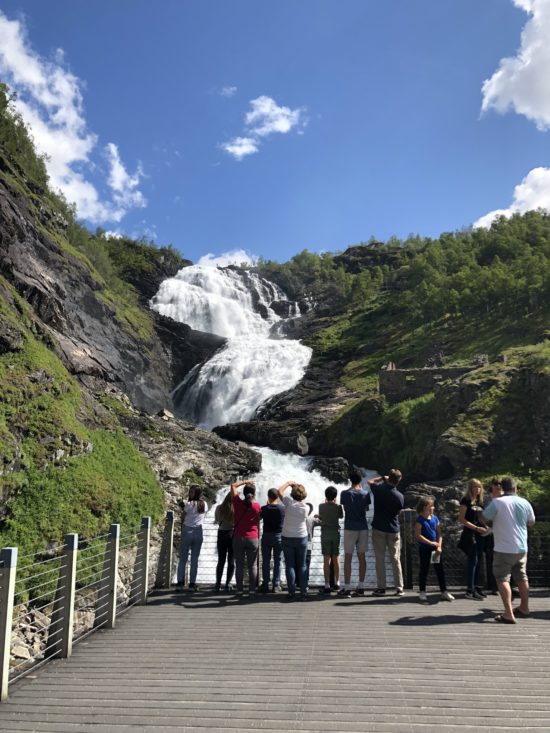
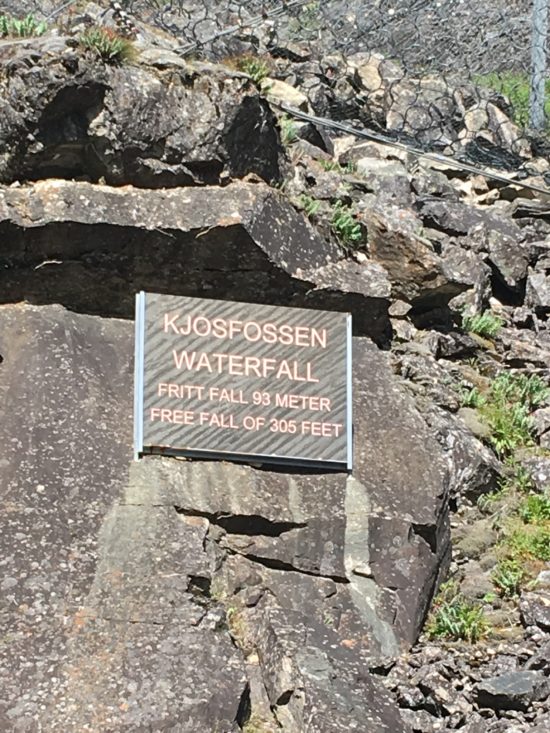
Kjosfossen Waterfall: Three stops before the terminus. The train pauses for 5 minutes. The waterfall drops 93m — the water is later used for hydroelectric generation downstream. This is the railway's most photographed stop.
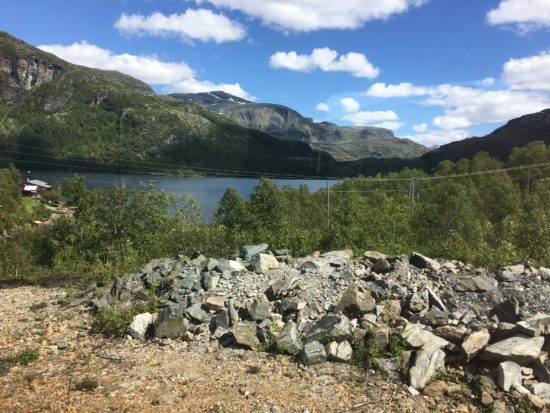
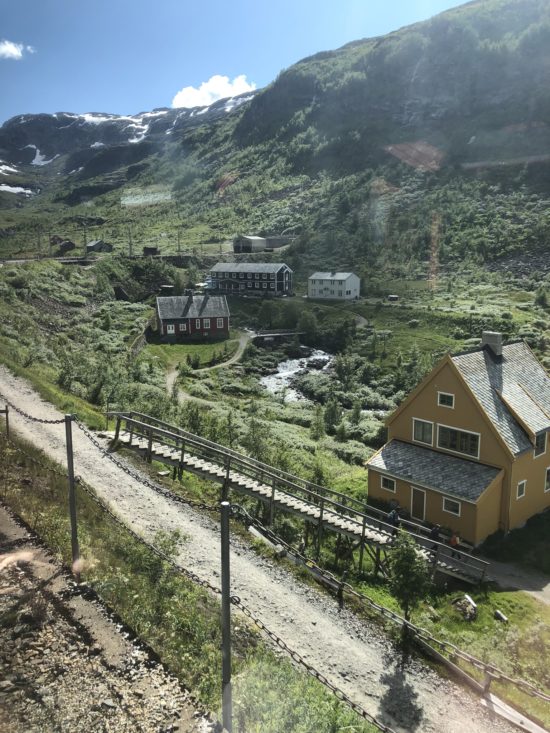
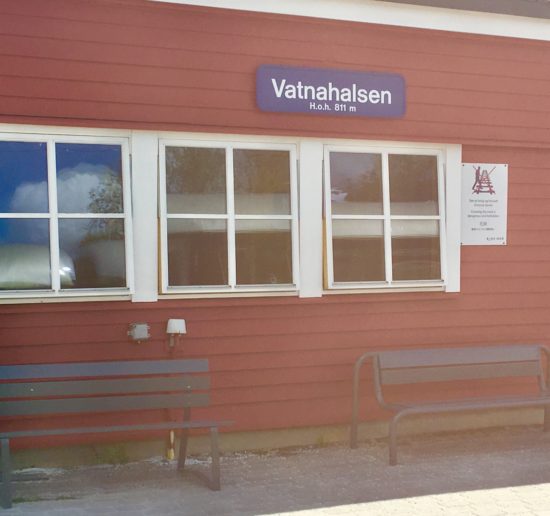
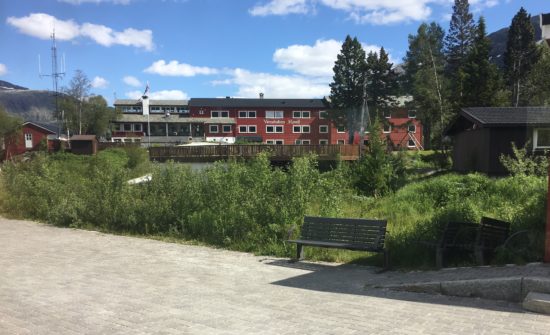
Vatnahalsen: One stop before the terminus, a hotel stands directly on the platform — Vatnahalsen Høyfjellshotel, opened 1896. Guests here ride the Flåm Railway daily; activities include fjord hiking and winter skiing. The Flåm Railway operates year-round and connects to Oslo by train.

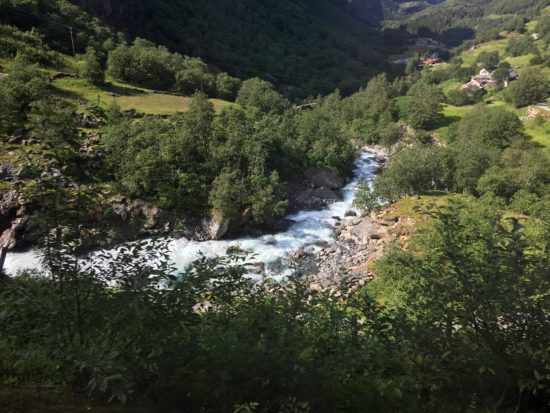
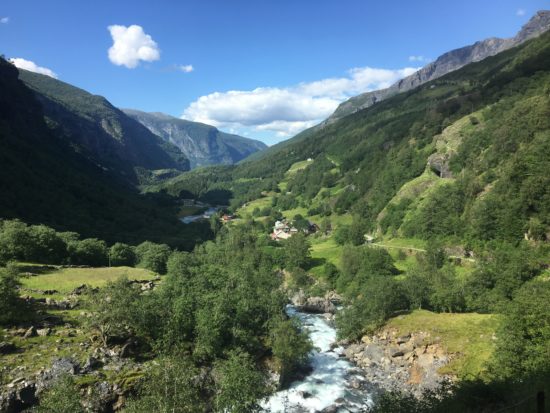
Both sides of the carriage are worth watching — book return seats on the opposite side if possible.
The ship departed Flåm at 7pm; boarding closed at 6:30pm. With the safari finishing at 1:15pm, a full lunch, and the 2:50pm train returning by 4pm, the timing worked perfectly.
Final Thoughts
Before this trip, whenever we asked Japanese expatriates living in London which European holiday destination they had enjoyed most, the answer was almost always: "The fjords."
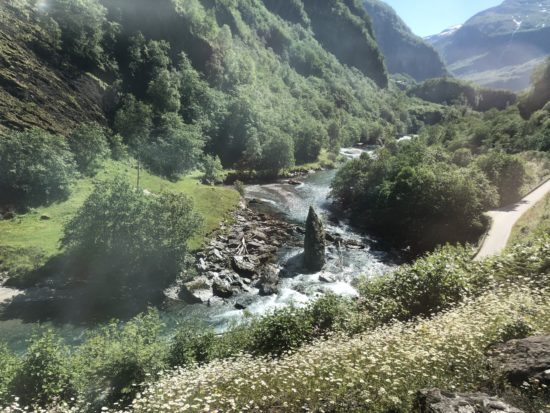
Now we understand why. The fjords are the most visually dramatic landscape we have encountered — rock, water, depth, and silence at a scale that resets the sense of scale entirely. Experiencing them from both water level (Fjord Safari) and altitude (Flåm Railway) gave two entirely different perspectives on the same landscape.
For anyone who loves large natural scenery: the Norwegian fjords should be on the list.
Other books you might like
You're welcome to take a look.
EAST TO WEST: The Heart of Haiku, the Light of Scripture
A long-held dream of a place finally reached — the kind of quiet fulfilment this collection finds through haiku. This was my father-in-law's final work.
View on AmazonCataract Surgery-A Memoir: Double cataract surgery in Osaka, Japan
Another new experience at 66 — an honest account of the cataract surgery I went through.
View on AmazonSushi Business in Britain: the complete four-volume series
A novel series following thirty-five years in the British sushi trade, from apprentice to factory manager to a small sushi school.
View on Amazon