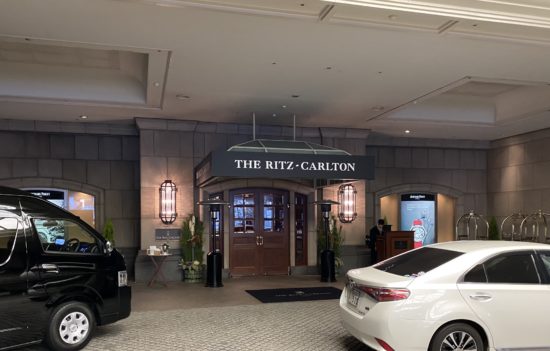
Osaka-Style Unagi: Futaba, a Tennoji Institution
Date: 2020-01-07
Tennoji, Osaka
Tennoji is best known to visitors as the home of Tsutenkaku Tower and the legendary kushikatsu (deep-fried skewers) stands where double-dipping into the shared sauce is strictly prohibited. But the area has another speciality worth seeking out: mamushi-don, Osaka's own interpretation of the unagi rice bowl.
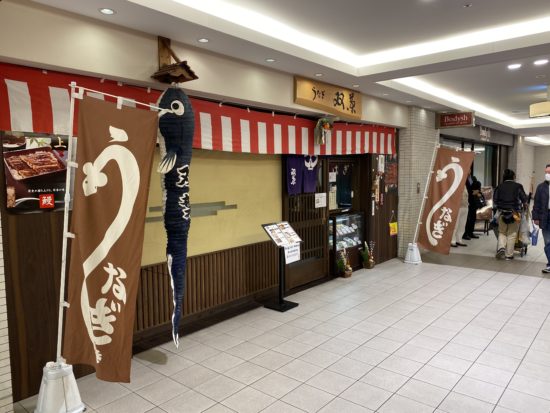
Futaba has been serving unagi in Tennoji since 1945. The restaurant is in the basement of Abeno Walk, the underground shopping passage beside Q's Town next to Tennoji station.

Osaka-Style Unagi vs Kanto-Style
The difference between Osaka and Tokyo unagi starts before the grill.
In the Kanto (Tokyo) method, the eel is first steamed, then grilled. The result is soft, tender, and delicate — the steaming removes excess fat and produces a silky texture.
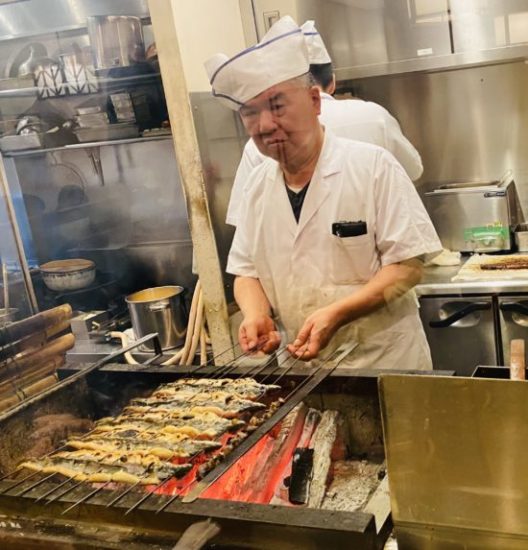
Osaka does not steam. The raw eel is marinated directly in the tare sauce, then placed straight over binchotan charcoal at high heat. The result is a skin that crisps on contact with the fire while the flesh inside remains plump. More texture, more char, more flavour concentration.
Futaba's tare — the secret soy-based glaze — has been maintained continuously since the restaurant opened, with new sauce added daily and the old sauce carried forward. Over seventy years of accumulated depth. The flavour is deliberately less sweet than modern commercial preparations: restrained, traditional, precisely calibrated.
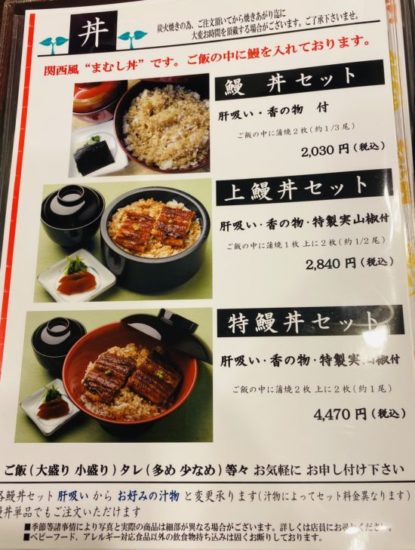
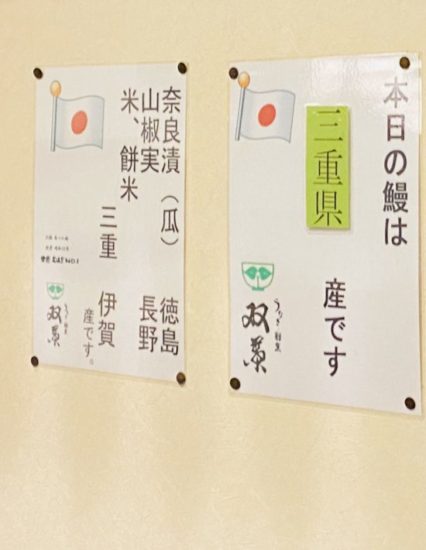
All eel at Futaba is domestic Japanese-sourced. On this visit, the eel was from Mie Prefecture.
Mamushi-Don: The Osaka Method
Mamushi-don (間蒸し丼) is assembled differently from a standard unagi-don:
- Hot rice fills the bowl halfway
- The grilled eel is placed on top
- More rice is added to cover the eel
- Tare sauce is poured over the top rice layer
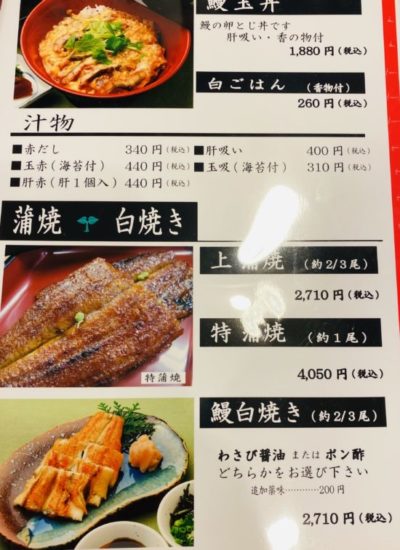
The eel sits between two layers of rice. The hot rice above and below gently steams the eel from both sides, keeping it warm throughout the meal while the flavour of the eel migrates into the surrounding rice. The name mamushi refers to this layered steaming: ma (間 — between) + mushi (蒸し — steam).

Three sizes: 1/3 eel, 1/2 eel, or a full eel. We ordered both the 1/3 and 1/2 sizes.
What We Ordered
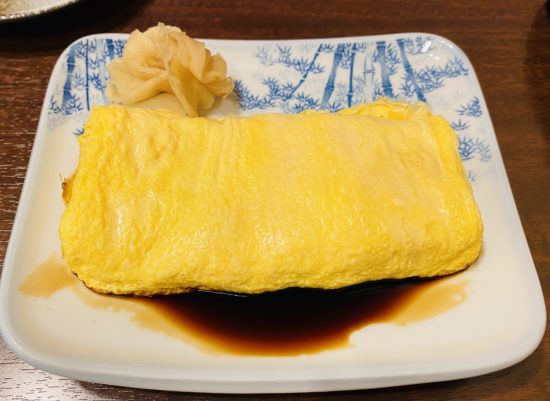
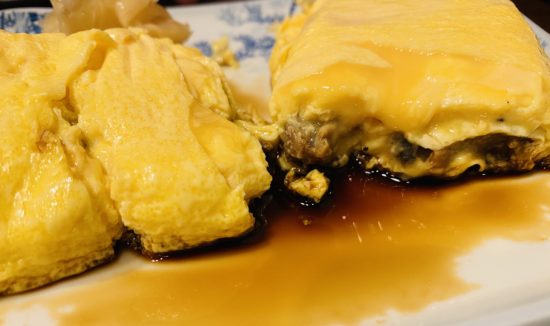
Umaki — the most popular starter at Futaba. A thick Japanese omelette (tamagoyaki) made with generous dashi stock, lightly seasoned, with a whole unagi fillet rolled inside. Served immediately out of the pan: exterior golden, interior trembling and barely set. The contrast between the delicate egg and the rich eel inside is the point.
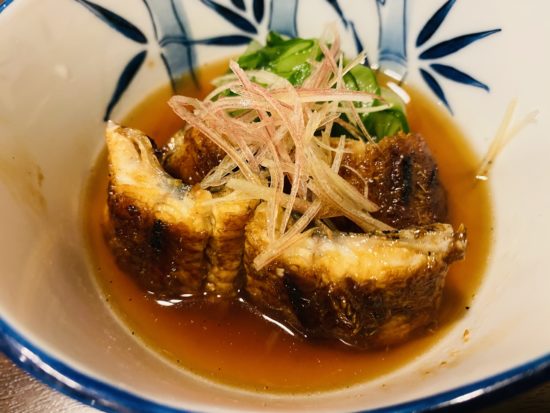
Uzaku — eel with cucumber in rice vinegar dressing. Slices of grilled unagi and thin-cut cucumber dressed with light vinegar and seasoning. A palate cleanser between rich dishes, and a classic Osaka preparation. (One of us grew up in Osaka — uzaku was the nostalgic choice.)
Mamushi-don (1/3 size) — crisp skin, full flesh, the tare absorbing into the rice with every bite. A dusting of sansho (Japanese mountain pepper) over the top — the citrusy, slightly numbing spice that cuts through the richness precisely.
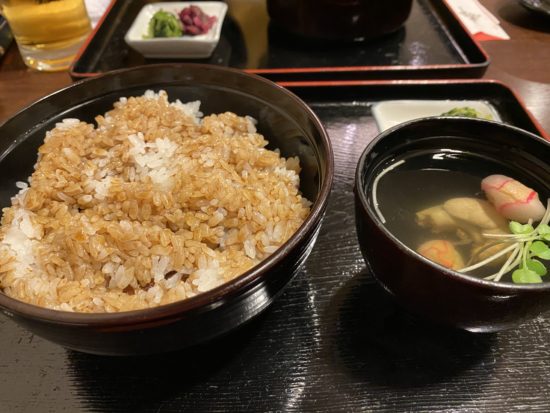
Mamushi-don (1/2 size) — the eel visible at the midpoint of the bowl as well as the top. Worth ordering if you want to properly assess the quality; the full 1/3 size is slightly too little, the 1/2 is exactly right.
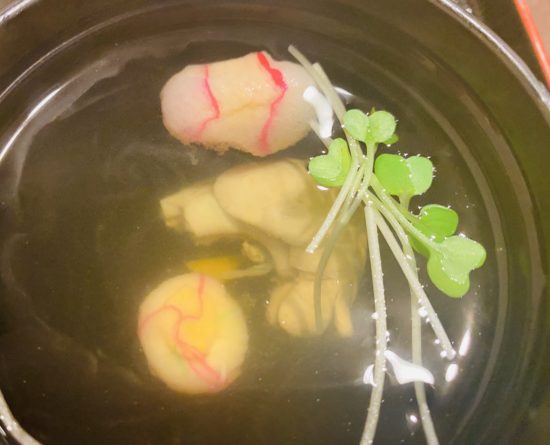
Kimo-sui — clear liver soup. The eel liver is small and intense, in a light dashi broth. Served alongside the mamushi-don. The bitterness of the liver against the sweetness of the tare is a deliberate pairing.
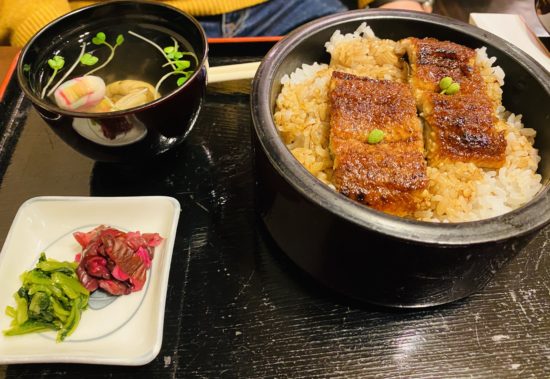
There was very little conversation during the meal. The food demanded full attention.
Dessert: Kohagi
After the unagi, Futaba brought out their other speciality: ohagi.
Ohagi is a traditional Japanese sweet made from glutinous rice and sweet bean paste (anko) — the rice is half-mashed so it retains some texture, shaped into an oval, then coated in red bean paste, sesame, or kinako (roasted soybean flour).
Futaba serves kohagi — a miniature four-variety assortment in a single portion. Made without any additives since the restaurant's founding: just rice, beans, and natural flavourings. The sweetness is measured and traditional, nothing like the cloying modern interpretations. A perfect ending.

Practical Notes
The restaurant is small and fills quickly at lunch and dinner. However, turnover is fast — most customers eat efficiently and leave, so waiting time is manageable even when it looks full.

For anyone visiting Osaka: Takoyaki and okonomiyaki are the famous exports, and they deserve their reputation. But mamushi-don at Futaba represents the quieter, more serious side of Osaka food culture — one that has been feeding the neighbourhood for over seventy years without changing a thing.

After lunch, the Tennoji Park and Tsutenkaku shopping street make for a good post-meal walk.
Other books you might like
You're welcome to take a look.
EAST TO WEST: The Heart of Haiku, the Light of Scripture
A flavour unchanged for decades, quietly holding its ground — the kind of depth this collection finds through haiku. This was my father-in-law's final work.
View on AmazonCataract Surgery-A Memoir: Double cataract surgery in Osaka, Japan
Another new experience at 66 — an honest account of the cataract surgery I went through.
View on AmazonSushi Business in Britain: the complete four-volume series
A novel series following thirty-five years in the British sushi trade, from apprentice to factory manager to a small sushi school.
View on Amazon