Philippines Cebu Island Trip: Food Edition
Date: 2018-11-29
One Week of Filipino Food: First Impressions
After a week of eating in Cebu, three things stand out about Filipino cuisine:

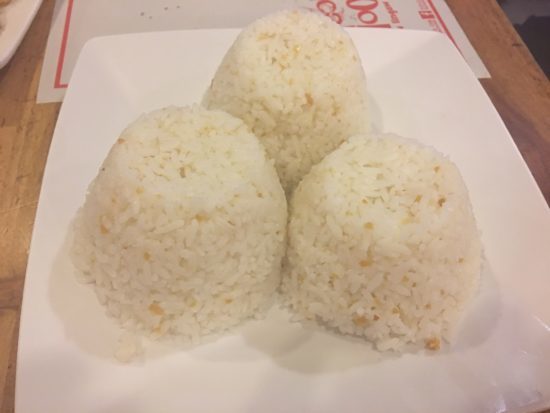
- Rice is everything. Every meal includes rice. Garlic rice (fried rice with fried garlic granules mixed in — moist, fragrant) is available everywhere and is far better than plain rice with most dishes.
- The base flavour is sweet-savoury. Similar to teriyaki in concept — most meat dishes have a sweet-salty caramelised quality.
- Crispy skin is a national priority. Any dish involving pork or chicken is improved if the skin is rendered crunchy.
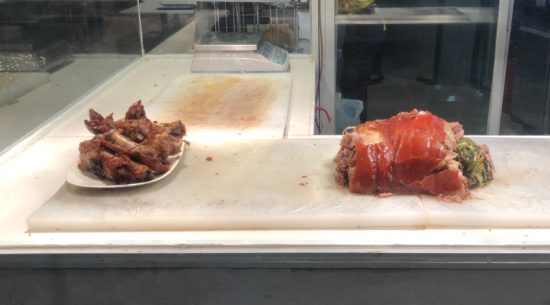
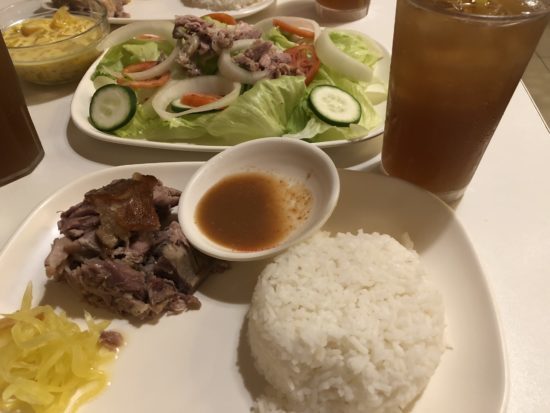

Lechon: Whole Roast Suckling Pig
Originally a celebration and festival dish, lechon has become a daily restaurant staple throughout the Philippines. A whole piglet is spit-roasted over an open flame, basted continuously until the skin is completely crisp and the meat is cooked through. Served cut into portions with rice, pickled mango, and dipping sauce.
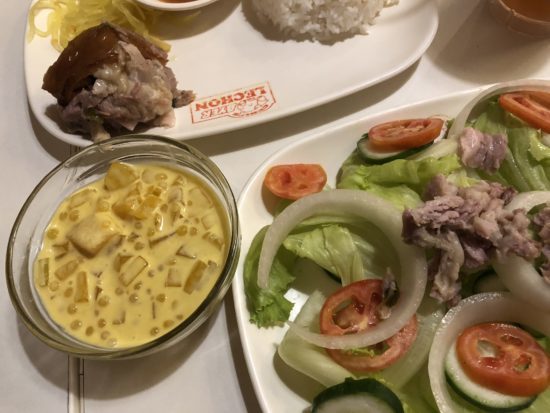
Where we ate: Ayer's Lechon, SM Mall Cebu, 3rd floor. The restaurant has a glass-walled lechon room at the entrance — carcasses are carved inside and visible from outside.

The pig is stuffed with scallions and carrots before roasting to eliminate any smell from the interior. The meat has a subtle sweet-savoury marinade underneath the skin.
The skin: The essential element. In the Philippines, lechon skin must be fully crisp to be considered properly made. The rendered fat underneath makes it surprisingly light. The skin portion sits on top of each serving.

Sauce: Fish sauce-based with chilli — tangy, sharp, slightly spicy. A milder ponzu-style sauce was also available.

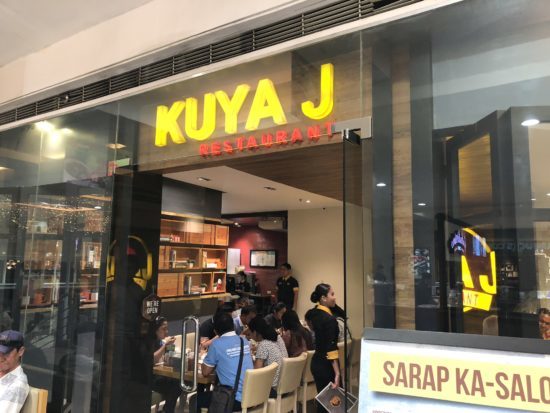
Kuya J: Popular Filipino Restaurant
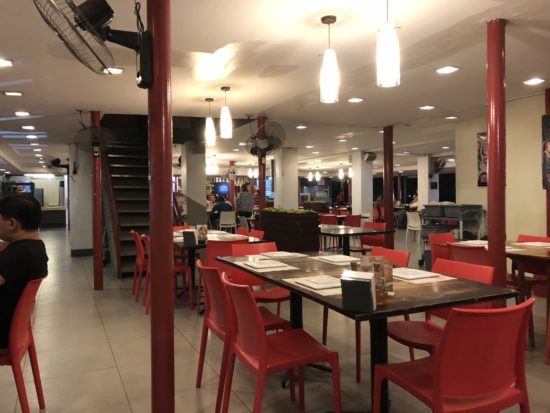
Multiple branches; we visited the SM Mall location. Arrived at 6:30pm — 80% full, almost entirely local customers. Popular locally and with Japanese residents of Cebu. Large groups or later evening visits should book in advance.
Drinks: San Miguel beer (locally brewed in Mandaue), iced tea, calamansi juice (local citrus, rich in Vitamin C, used in almost everything — drinks, over meat, over fish).

What we ordered:
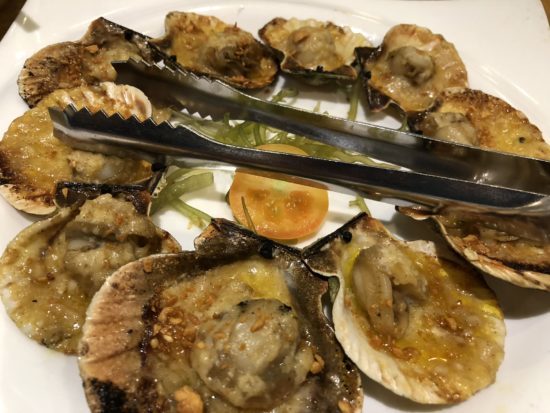
- Small grilled scallops in garlic oil — the local scallops are small; the garlic flavour and salt made them outstanding with cold beer
- Crispy Pata — pig's trotter, slow-cooked then deep-fried until the exterior is completely crisp. Served with a light vinegar dipping sauce. The bone separates easily. Alongside: the best garlic rice of the trip — moist, properly flavoured.
- Pork Sisig — spiced pork, vegetables, chilli, all stir-fried then topped with a half-cooked egg. Mix the egg in before eating. Spicy-sweet-salty, highly rice-compatible.
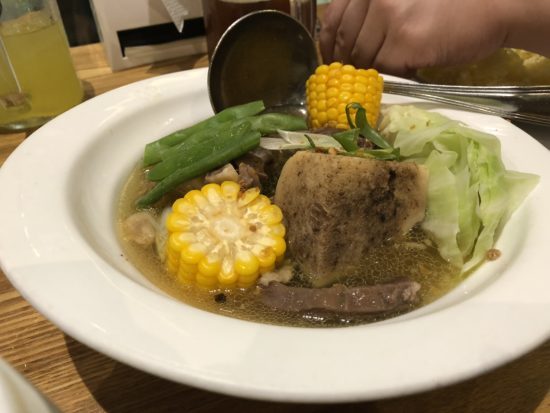
- Bone-in beef soup — light broth, similar to Korean ox-tail soup (guk). Warming, good for hot climates.


Everything excellent. Too full for dessert.

Chobi Chobi: Prawn and Seafood Restaurant
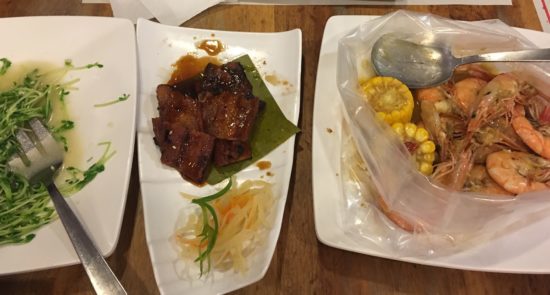
Park Mall shopping centre. Signature dish: "In the Bag" — prawns, corn, and other items cooked in a sealed bag with sauce (we chose garlic butter). Served at the table in the bag; tear it open and eat directly.
Also ordered: calamari rings (crispy, fried to order), pork belly grilled with teriyaki sauce, sautéed bean sprouts, and garlic rice.
The garlic rice here was the second-best of the trip. The iced tea came by the pitcher.
Total bill: 1,340 pesos (~¥2,874) for 3 people. Expensive by Filipino standards; excellent value from our perspective.

Fast Food: The Filipino Chains
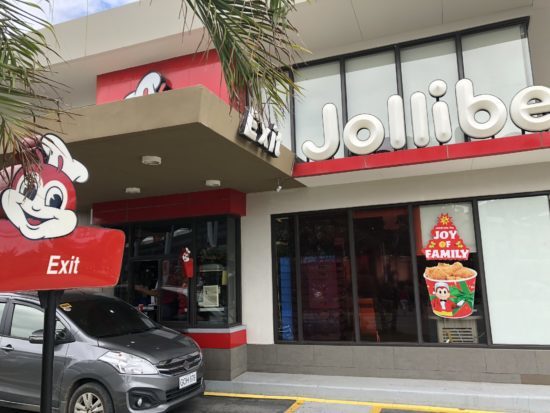
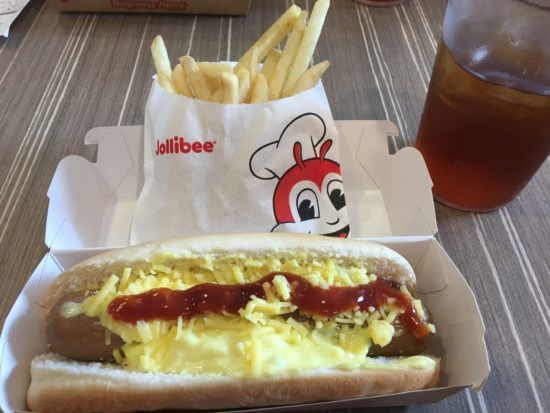
Jollibee — the national fast food brand, recognisable by a red bee mascot. Everywhere — many open 24 hours with drive-through. We ordered a cheese hot dog set with fries and iced tea: 100 pesos (~¥215).
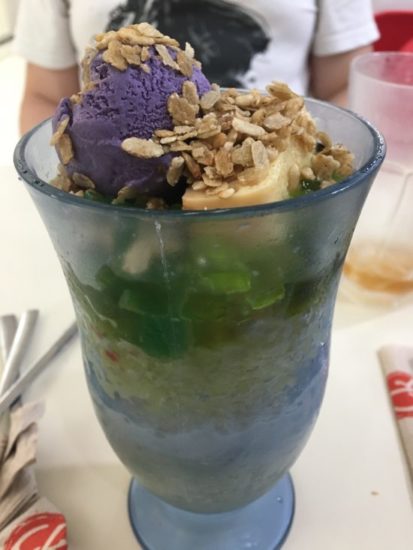
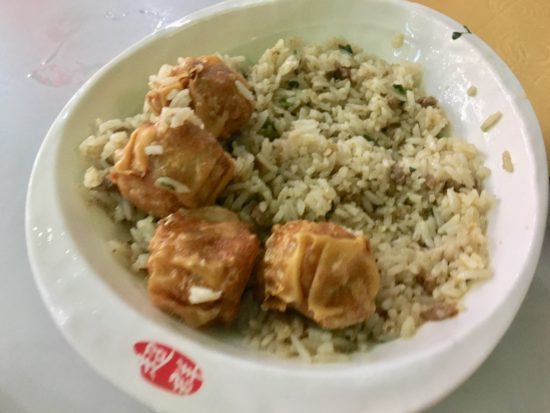
Chowking — Chinese-Filipino casual chain (same parent company as Jollibee). Wonton noodles, fried rice with shiumai, century egg congee. The flagship item: Halo-Halo — a shaved ice dessert in coconut milk with sweet beans, jelly, tapioca, fruit, purple yam ice cream, and a flan on top. Mix everything together as it melts. The purple yam (ube) gives it a distinctive earthy-sweet note. Small: 75 pesos (~¥160).


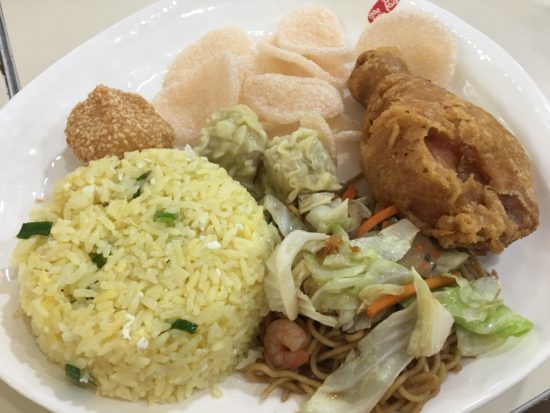
Mang Inasal — grilled chicken and pork. Top set: 146 pesos (~¥310) with grilled chicken breast and wing, rice, spring roll, and glass noodles in a ketchup-based sauce. Halo-Halo in a smaller size available.

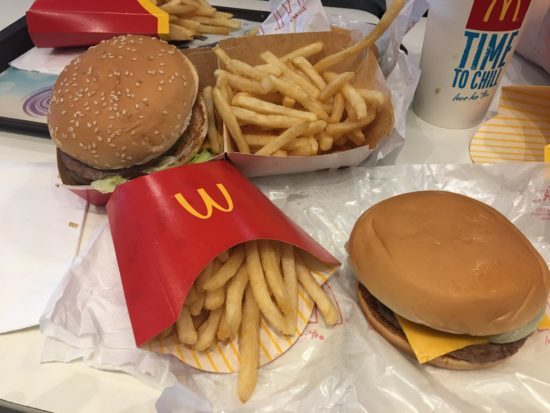
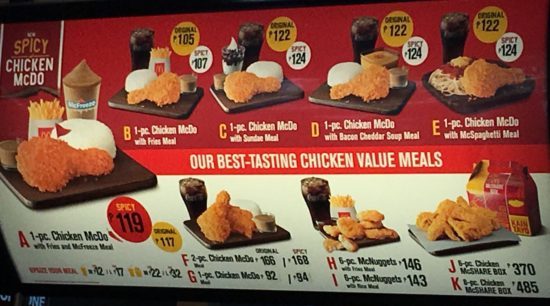
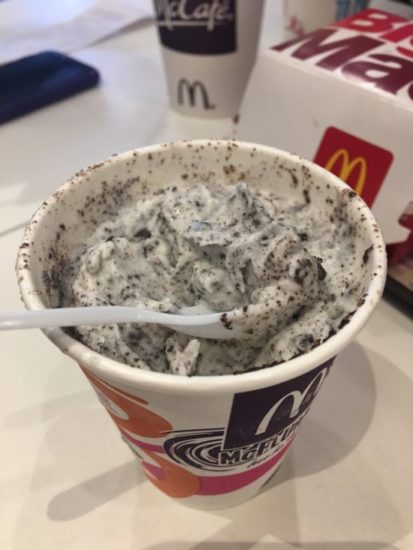
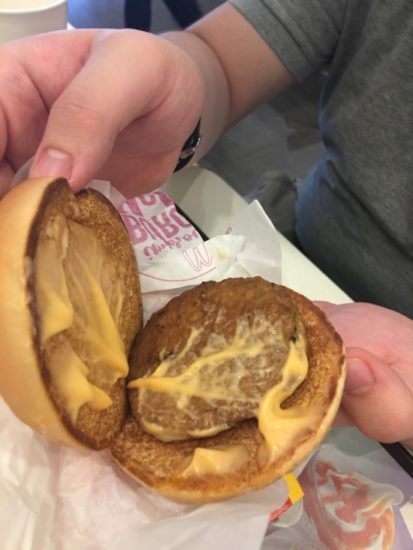
McDonald's Philippines — perhaps the most surprising. At a busy city-centre lunchtime, nearly every local customer was eating fried chicken with rice — not burgers. The menu is rice-centred here, not burger-centred. Spaghetti (sweet Bolognese-style) is available: 60 pesos (¥128). The cheapest item: a chicken patty with cheese sauce, 35 pesos (¥75).
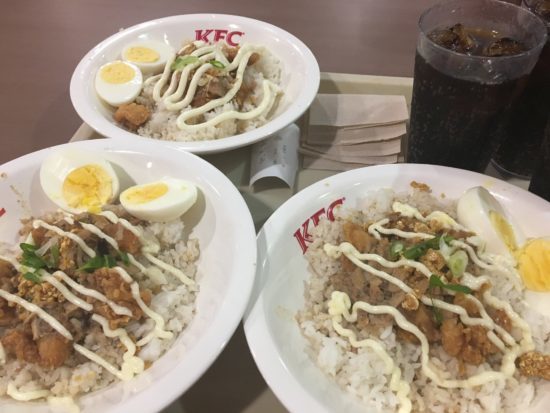
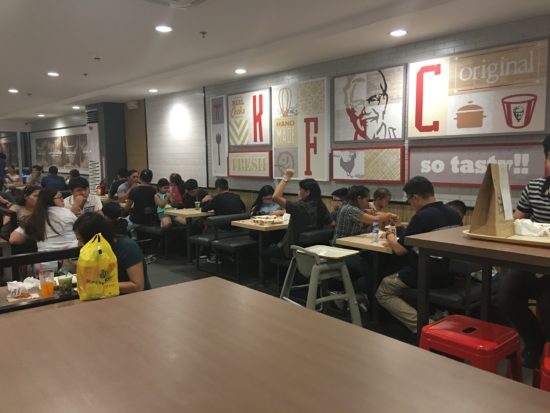
KFC Philippines — fried chicken with rice, topped with spring onion and mayo, with a boiled egg. A pump dispenser of chicken gravy sauce at the counter. Adding the gravy to rice with spicy chicken is very popular: locals pour it generously. The visual of dozens of bowls waiting for gravy refills was impressive.
Bonus: Yoshinoya Cebu
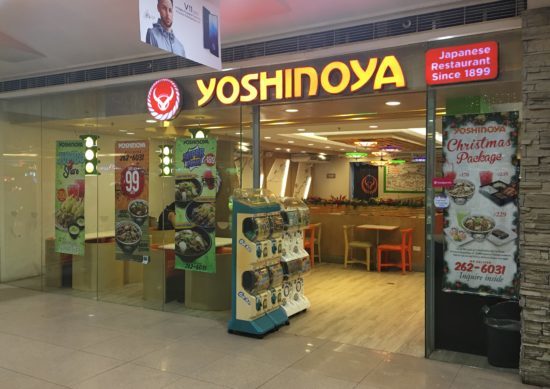
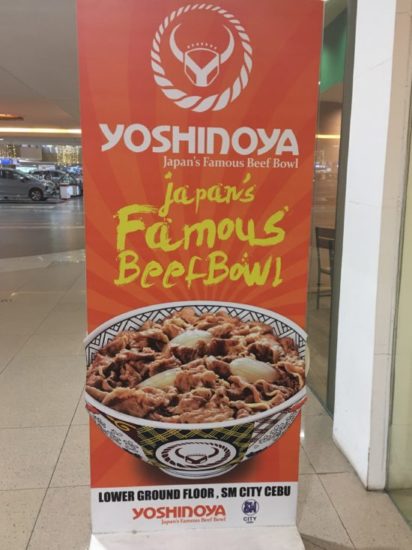
Yoshinoya has a branch in SM Mall basement. Discovery: shrimp tempura is extremely popular locally — an all-you-can-eat tempura offer for 100 pesos. The beef bowl (standard gyudon) in Filipino style has slightly more soy sauce than the Japanese original — perhaps adjusted for a climate where saltier food suits a sweating body. Tasted good. Ordering the regular gyudon: the right choice.


Other books you might like
You're welcome to take a look.
EAST TO WEST: The Heart of Haiku, the Light of Scripture
A familiar taste carrying a hint of somewhere new — the kind of small discovery this collection finds through haiku. This was my father-in-law's final work.
View on AmazonCataract Surgery-A Memoir: Double cataract surgery in Osaka, Japan
Another new experience at 66 — an honest account of the cataract surgery I went through.
View on AmazonSushi Business in Britain: the complete four-volume series
A novel series following thirty-five years in the British sushi trade, from apprentice to factory manager to a small sushi school.
View on Amazon