Must-Eat Foods in Japan: Part 1 of 3
Date: 2018-07-29
Why Japanese Food Is Different in Japan
Japanese food served outside Japan — even in good Japanese restaurants in London — cannot fully replicate the original. Ingredients, freshness, presentation, and the sheer variety available in Japan make the experience different in kind, not just degree. This series covers the foods I look forward to most on every visit.
Tonkatsu (Breaded Pork Cutlet)
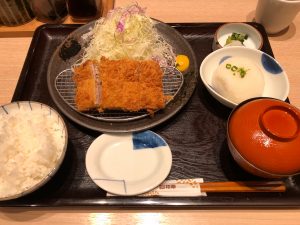
Tonkatsu is a thick slice of pork loin or fillet, coated in fine breadcrumbs and deep-fried until golden. The crust is crisp; the inside is tender and juicy. Served with:
- A mound of finely shredded raw cabbage — refreshing, light, and endlessly refillable. This specific preparation of cabbage is not available in the UK.
- A thick, sweet-savoury tonkatsu sauce
- Miso soup and rice

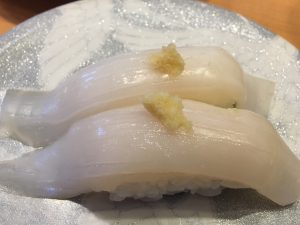
Recommended restaurants:
- Wako — a Tokyo classic, reliable and well-priced
- Mai-sen (Omotesando) — famous for its hiretsu (fillet cutlet); the original building is a converted public bathhouse
- Katsukura — Kyoto chain, known for sesame that you grind yourself at the table before mixing into the sauce
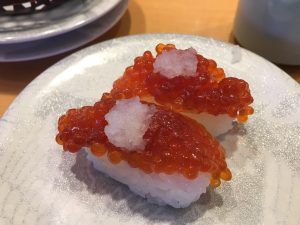
Sushi
The range is enormous — from ¥100 conveyor-belt sushi (kaiten-zushi) to high-end omakase. Both have their place.
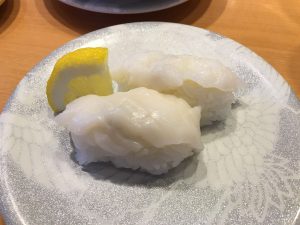
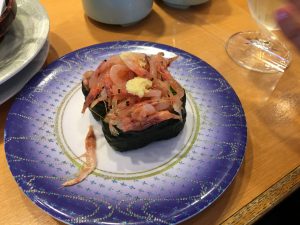
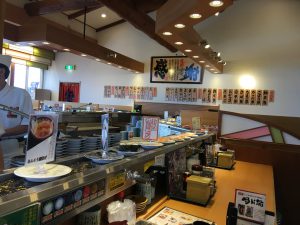
Kaiten-zushi (revolving sushi): Each plate is ¥100–¥120. The quality at good chains far exceeds what is available for the same price anywhere in Europe. Salmon, tuna, squid, egg — everything fresh, everything small and elegant. A meal for two for under ¥2,000.
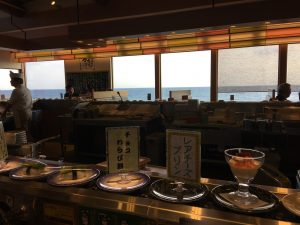
Kantaro (Hakodate, Hokkaido): A sushi restaurant overlooking the Tsugaru Strait. The view itself is worth the journey — the water visible through the large windows, seafood just landed from those same waters. Hakodate is famous for squid (ika), sea urchin (uni), and salmon roe (ikura).
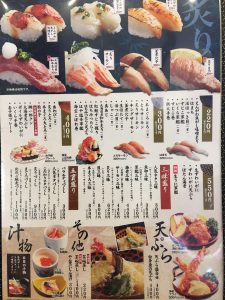
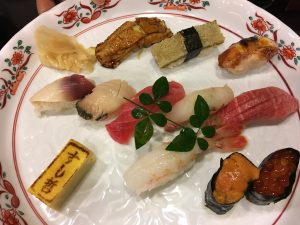
Sushitetsu (Shiogama, Miyagi): A counter sushi restaurant near Matsushima. Sushi served on beautiful Arita-ware porcelain plates — white with delicate blue patterns. The sea urchin (uni) here, fresh from the Sanriku coast, was exceptional.
Ramen
Ramen varies significantly by region — Hokkaido miso ramen, Hakata tonkotsu, Tokyo shoyu, Kyoto chicken broth. Each has its own character.
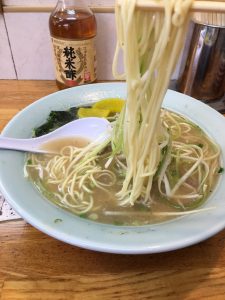
Ramen Shop Kumanodai (Matsuyama, Ehime): A local neighbourhood ramen shop. Rich, flavourful broth; good noodles; the kind of honest cooking that sustains a restaurant for decades.
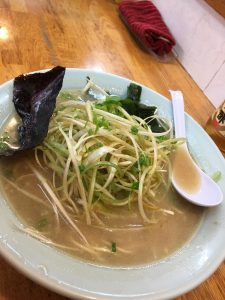
Gofukusei (Sendai, Miyagi): A Sendai ramen specialist. The broth has depth and clarity simultaneously — hard to explain without tasting it.

Kiyoken Shiumai Bento (on the Shinkansen)
A separate category: eating on the Shinkansen. The ritual of buying an ekiben (station bento) before boarding and eating it as the scenery passes is one of Japan's small pleasures.

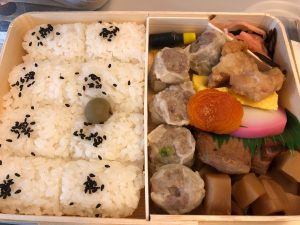
Kiyoken is the iconic Yokohama bento maker. Their shiumai (steamed pork dumplings) are the Kanagawa Prefecture standard — slightly sweet, perfectly seasoned. The bento includes rice, pickles, and a single dried apricot as a palate cleanser. This detail is thought about; it is not an accident.
(This site is a participant in the Amazon.co.jp Associates Program, an affiliate advertising program.)
Other books you might like
You're welcome to take a look.
EAST TO WEST: The Heart of Haiku, the Light of Scripture
Small food discoveries made on the road, seen through the lens of haiku. This was my father-in-law's final work.
View on AmazonCataract Surgery-A Memoir: Double cataract surgery in Osaka, Japan
Another new experience at 66, told honestly.
View on AmazonSushi Business in Britain: the complete four-volume series
A novel series following thirty-five years in the British sushi trade, from apprentice to factory manager to a small sushi school.
View on AmazonPart 2 covers: wagyu beef, tempura, and yakitori.