Photo by Xavier von Erlach on Unsplash
Sixty per cent of the brain is made of oil — this article begins with the question of choosing well.
The first time I realised something, as the number of days when my mind felt foggy increased
When my mind began to feel foggy on more days after the age of 60, I learned that about 60 per cent of the brain, excluding water, is fat, and I started looking into how to choose oils, including those containing omega-3 fatty acids. This article is a record of what I found and of how I use different oils in daily life.
From around 60, I had more mornings when my head still felt foggy after waking. These were small lapses in concentration that I would never have noticed when I was younger, and willpower alone could no longer cope with them. Ageing does not arrive suddenly one day; I came to see it in the accumulation of such small signs, and only then did I really feel it.
It is only in the last four or five years that I have become aware of the term 'omega-3 fatty acids'. I had heard the name before, of course, but to be honest, I had simply let it pass by. The reason I have started to take an interest in it now is simple: the number of days when I feel unwell has clearly increased, and it was only then that I began to look into nutrients and supplements as a matter of personal concern.
They teach you very little about nutrition at medical school — I was enrolled for five years myself, and I have almost no recollection of learning about it during that time. In traditional East Asian medicine, there is a concept known as shokuzen, or dietary therapy, which links food and the body, though this stems more from the accumulation of long practical experience than from scientific evidence. In other words, although I ought to have been familiar with both the theories of Western medicine and the practical insights of traditional East Asian medicine, it was only when I reached my sixties that I realised I knew almost nothing about oil.
60 per cent of the brain is made up of 'oil'
Upon looking into this further, I discovered that, excluding water, approximately 60 per cent of the brain's weight consists of lipids, or oil, with the remaining 40 per cent being protein. In other words, the type of oil we consume has a direct bearing on the quality of our brain cells. For someone who had never studied nutrition, this came as a genuine surprise.
The reason the quality of oil matters so much is that different types of oil vary enormously in their resistance to heat and oxidation, and mixing them up carelessly can place an unnecessary strain on the body. This is the part I have finally managed to get to grips with over the past few years.
Oils suited to heating, and those that are not
Omega-9, omega-6 and omega-3: a quick overview
There are broadly three types of unsaturated fatty acid.
- Omega-9 (oleic acid, etc.): found in olive oil and sesame oil. As the body can produce a certain amount of this itself, it is not classed as an essential fatty acid.
- Omega-6 (linoleic acid, etc.): an essential fatty acid found in soya bean oil and maize oil. It is necessary for the body, though care must be taken not to consume too much.
- Omega-3 (α-linolenic acid, EPA, DHA, etc.): essential fatty acids found in perilla oil, linseed oil, and the fat of oily fish.
Of these, the roles of EPA and DHA within the body are well understood. EPA is reported to help keep blood vessels and red blood cells supple, thereby reducing the likelihood of blood clots, while DHA is thought to support smooth transmission of signals within the nervous system. Observational studies have also linked DHA with a reduced risk of dementia, though trials that actually supplement people with DHA to see whether it prevents dementia have produced mixed results. Once α-linolenic acid enters the body, it is converted in the liver into EPA and, from there, into DHA, though the conversion is inefficient — perhaps 5 to 10 per cent to EPA, and under 1 per cent to DHA. Strictly speaking, α-linolenic acid is the only true essential fatty acid, in that the body cannot make it at all; EPA and DHA are better described as conditionally essential. If anything, this is part of why getting EPA and DHA directly from fish or oil matters.
The term 'essential fatty acid' simply means that the body cannot synthesise it. The reason we need to be so deliberate about obtaining these through our diet is straightforward: what the body cannot make, it must be given. For anyone wanting to return to the scientific evidence behind the figures, the Dietary Reference Intakes for Japanese (2025 Edition), with commentary by Satoshi Sasaki, is the reference I turn to.
The oils I use on a daily basis
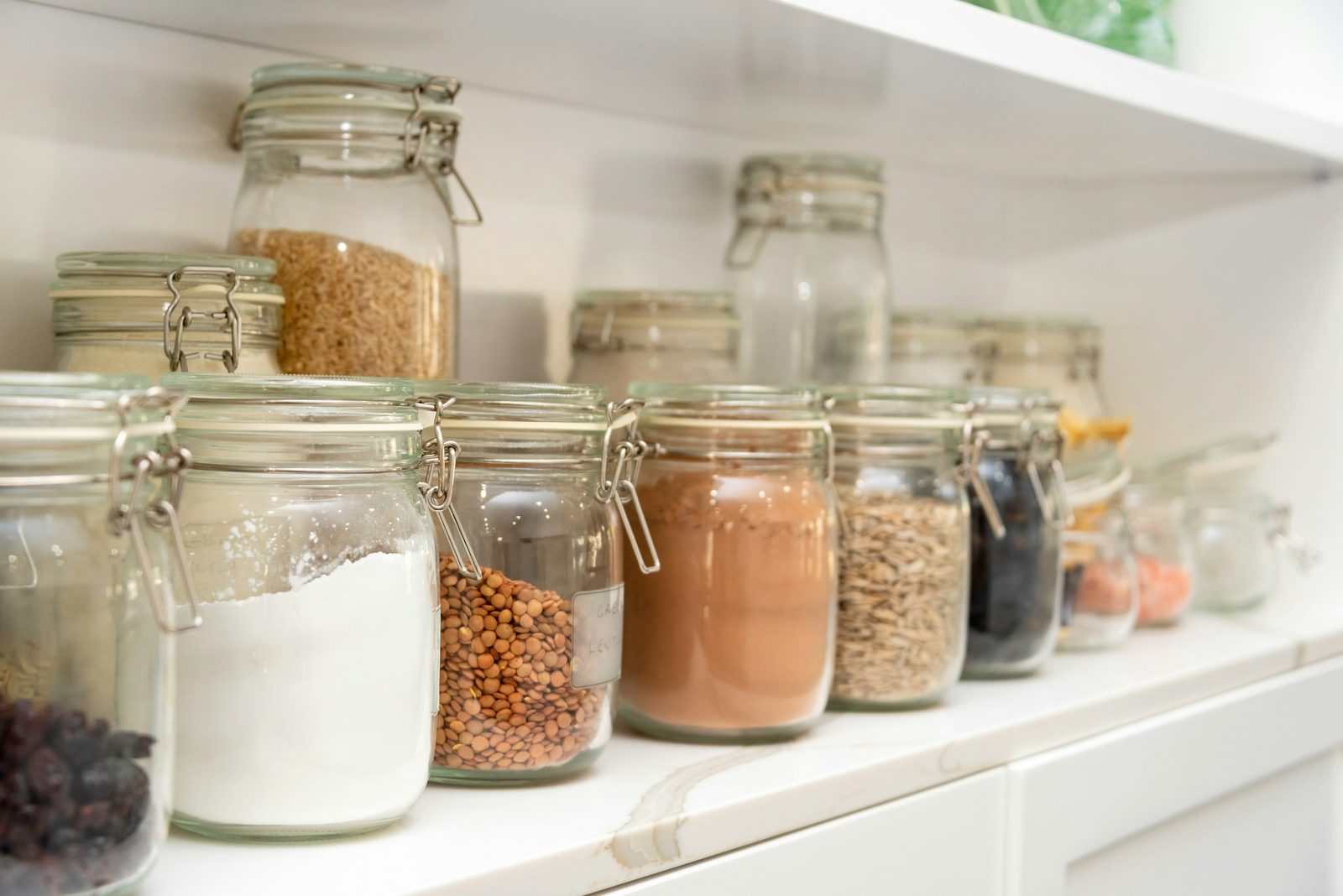
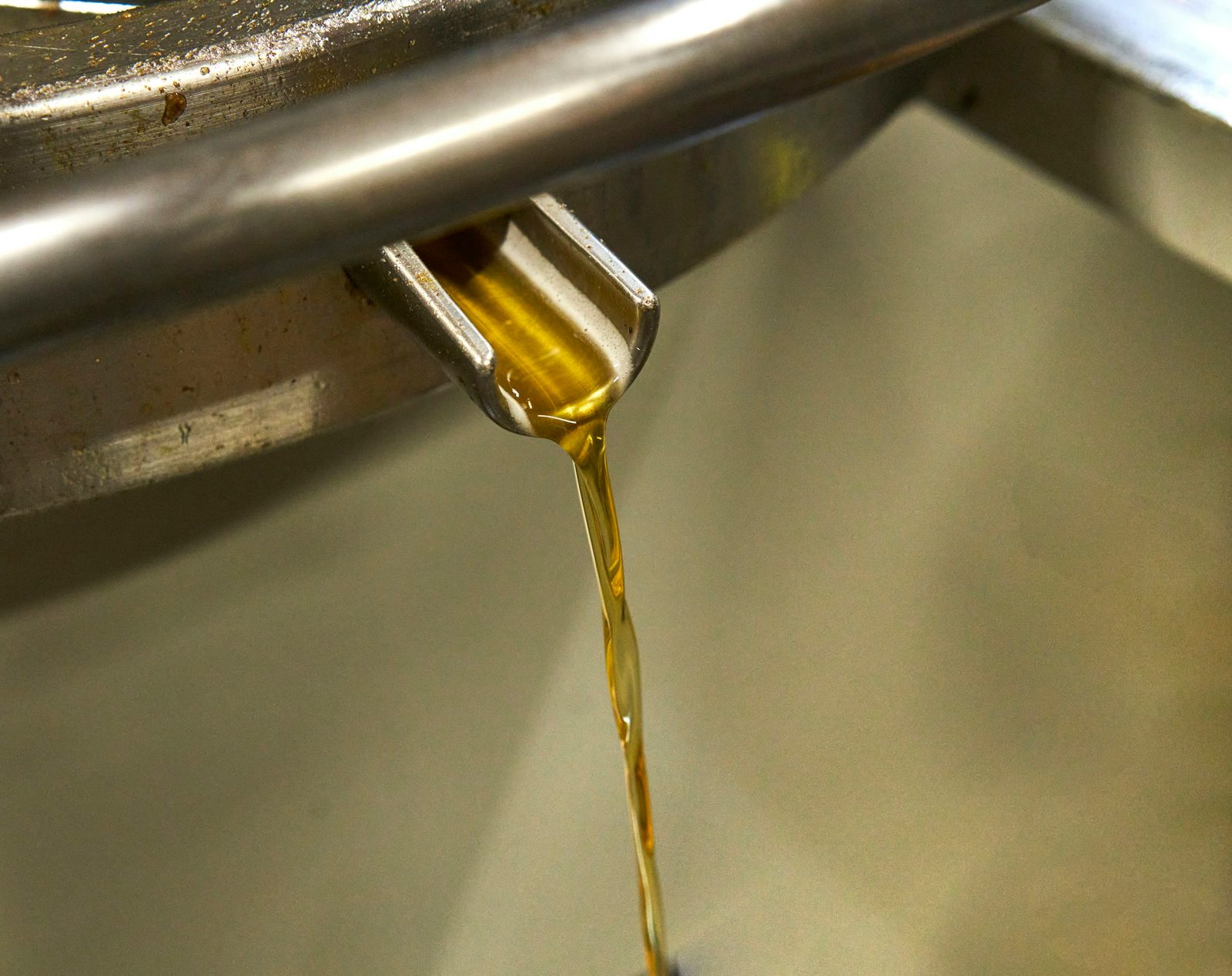
For cooking, I use coconut oil — Natuleo when I am in Japan, and Biona Organic Coconut Oil, a mild and odourless one, when I am in the UK. The unsaturated fatty acids found in abundance in ordinary cooking oils oxidise readily when exposed to heat or light, reacting with free radicals in the body to produce harmful lipid peroxides. This oil, by contrast, is around 90 per cent saturated fatty acid and highly resistant to oxidation; being refined and virtually odourless and tasteless, it can be used in both Japanese and Western cooking without affecting the flavour. That said, most health bodies still regard saturated fat in general as something to watch, given its effect on cholesterol levels if taken to excess, so I think of this less as 'good for you because it resists oxidation' and more as 'well suited to cooking' — and I keep the quantity modest rather than treating it as a health food in its own right.
Another item I would not be without, in my morning coffee and in homemade dressings, is an MCT oil made from 100 per cent medium-chain fatty acids — Capleo when I am in Japan, and Eat Wholesome's organic MCT oil when I am in the UK, where it serves exactly the same purpose. Medium-chain fatty acids are said to require little help from digestive enzymes, and to be absorbed and converted into energy more quickly than long-chain fatty acids — the manufacturers' own literature puts this at roughly four times faster absorption and ten times faster metabolism, though I take that as an indicative figure rather than a strictly verified one. Unlike coconut oil, it has no strong flavour and stays liquid at room temperature, which makes it easy to use. I also find, in a way I cannot fully explain, that it seems to help me recover more quickly on tiring days. These have been fixtures in my kitchen, used daily without a break, for several years now.
What I keep in mind when getting omega-3 from fish
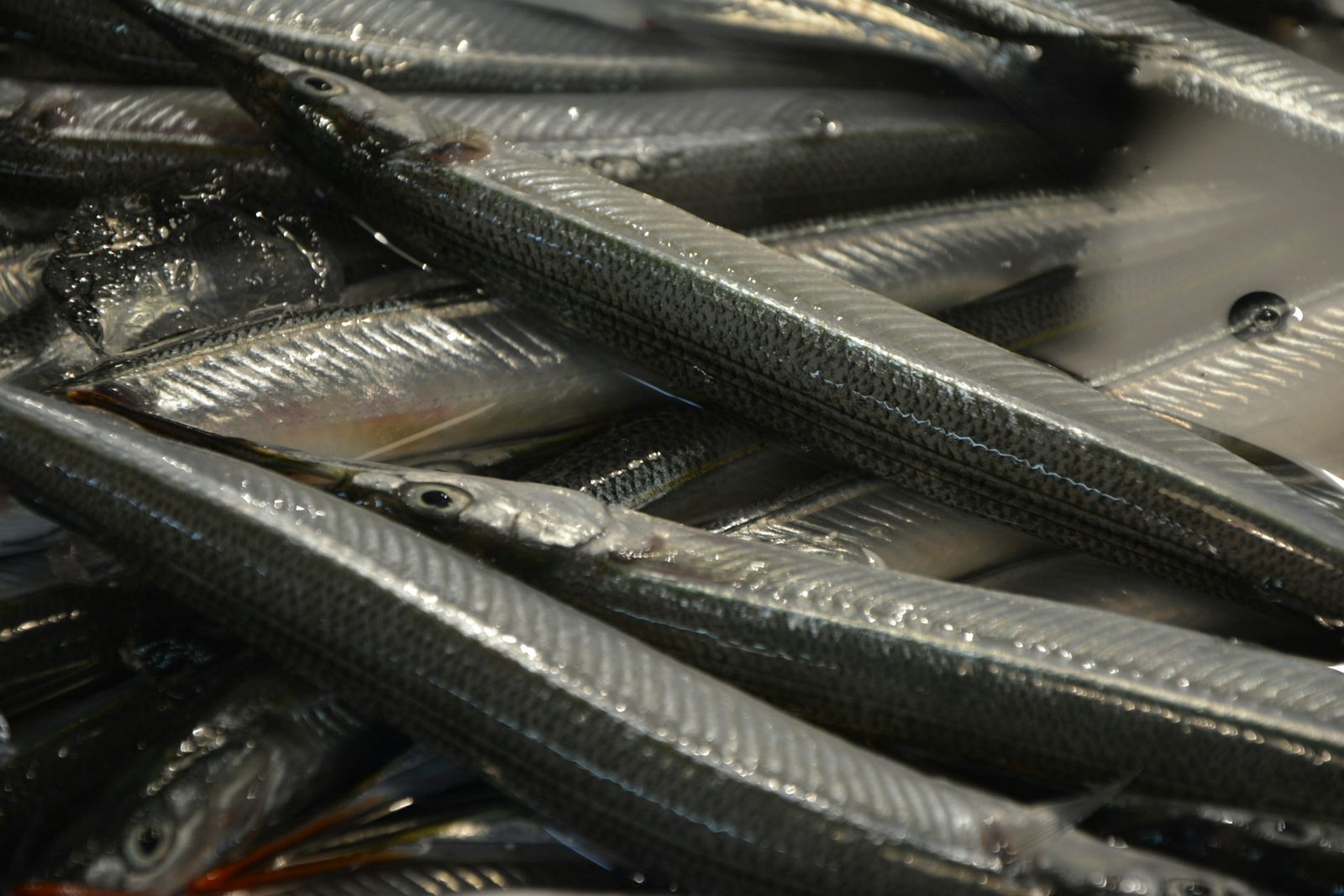
Photo by Beth Macdonald on Unsplash
Eating small oily fish like sardines whole, skin and head included — an old habit that also happens to avoid mercury risk.
Having spent many years in the Japanese food business, I would like to think I have a reasonable eye for the quality of fish, though it is only very recently that I have begun looking at fish through the lens of omega-3. What I am mindful of now is that larger fish, sitting higher up the food chain, are more likely to accumulate heavy metals such as mercury. For that reason, I make a point of eating small oily fish, such as sardines, whole — skin, head and all. Eating fish this way, without wasting bone or skin, is simply ordinary practice in Japanese food culture, yet it turns out to be a practical way of avoiding mercury exposure as well. It made me realise, once again, that there were sound reasons behind these old habits.
The difference in the availability of oil between the UK and Japan
Living in the UK, I have come to appreciate just how easy it is to find high-quality extra virgin olive oil. EU-certified products imported from Greece, Spain and Italy sit on ordinary supermarket shelves, and because there is a well-established system in place to guarantee quality, I can choose with confidence.
In Japan, by contrast, what stands out is the sheer ease of access to oily fish itself. It is perfectly normal to buy fresh mackerel or sardines at the local fishmonger's or supermarket. In the UK, the emphasis falls on getting omega-3 from oil; in Japan, on getting it from fish. It is the same nutrient, but where the emphasis falls shifts with where I happen to be living — a realisation that is, perhaps, unique to someone who divides their time between both countries.
Amidst a flood of information, what do you rely on?
To be honest, information about oils is rather confused at the moment. Coconut oil, linseed oil, rice bran oil — people around me often stock up on several varieties the moment they hear something is good for them, only to end up unsure which to use, and how. I have come close to doing the same myself.
So, more recently, I have taken to sorting my oils by a single criterion: whether it is for cooking or for eating raw. Saturated fats such as coconut oil or butter for cooking; unsaturated fats such as olive oil or linseed oil for eating raw. As long as I hold to that one distinction, I do not wear myself out trying to draw finer lines between the many types of oil. In an age with too much information, I have come to think that having one simple rule of your own is, in the end, what makes something easiest to keep up.
What this teaches me about a fulfilling retirement

Photo by Hieu Do Quang on Unsplash
Being able to choose what you eat is, in itself, a quiet lever on a fulfilling everyday life.
Nurturing mind and body
Since changing the way I choose my oils, I cannot say that all my minor complaints have disappeared, but the days when my mind feels foggy do seem to have become fewer. It is not something I can put a number on, but for someone who has only just, in his sixties, begun paying attention to blood pressure and cholesterol readings, how I feel in my body is not an indicator to be dismissed. Being able to choose for myself what I eat feels, in a small way, like a lever against ageing — a way of staying an active participant rather than a passive one.
The financial side
I will admit that good-quality oils and MCT oil are not cheap, and for someone living on a pension, this is a real expense. I keep it up all the same, because when I weigh it against the time and money a spell of poor health would cost in visits to the doctor and treatment, spending a little more on daily food seems, in the end, the more sensible calculation. Thinking in terms of long-term value rather than the price on the day is itself one of the changes retirement has brought.
New encounters
Over the past few years, researching oils has drawn me, quite unexpectedly, into nutrition — a field that had always sat some distance from my own specialisms. Western medicine, which I studied at medical school; Eastern medicine, which I learnt through acupuncture and Kampo, Japanese herbal medicine; and now nutrition besides: three different lenses I did not expect to be holding up side by side at this point in my life. It is an unlooked-for piece of relearning that began only after I turned sixty, and it has left me thinking that, whatever your age, there are still doors you have not yet opened — even one as ordinary as oil can show you that.
In conclusion
Mutual support is not only a matter of calling out to one another; sometimes simply receiving someone else's words, quietly, is enough to lighten the load. I wrote this less to recommend anything to anyone than as a record of working out, for myself, how I want to live alongside oil. If there is someone out there caught in the same uncertainty — still asking which oil to choose — I would be glad if this offered even a little company along the way.
The book behind some of the evidence in this article:
Susan Allport, The Queen of Fats: Why Omega-3s Were Removed from the Western Diet and What We Can Do to Replace Them
(As an Amazon Associate I earn from qualifying purchases.)Other books you might like
You're welcome to take a look.
EAST TO WEST: The Heart of Haiku, the Light of Scripture
Western medicine, Eastern medicine, and now the nutrition of oil — as I move between these three lenses, this quiet essay moving between haiku and Scripture speaks to the same spirit of holding different worlds together. This is a book my father-in-law left behind.
View on AmazonCataract Surgery-A Memoir: Double cataract surgery in Osaka, Japan
Another record of learning to live with my body in a new way, written after another change that came with my sixties.
View on AmazonSushi Business in Britain: the complete four-volume series
A novel series following thirty-five years in the British sushi trade, from apprentice to factory manager to a small sushi school. The complete edition offers all four volumes at a better price.